Making choices about what works and what doesn’t
Do you find it difficult to decide what you can and cannot manage in a day? Perhaps you want to do a lot, but find that your energy levels or symptoms aren’t cooperating. Or you feel guilty when you cancel something or leave it undone. Making choices can be tricky, especially if you’re used to carrying on regardless. If your capacity changes, you sometimes have to learn to make choices all over again. That’s not easy. It can feel as though you’re compromising. Yet clear choices can actually help you gain more control and save energy for what really matters.
What do you notice?
Struggling to make decisions can cause a great deal of anxiety.
You may, for example, notice that:
- if you plan too much in a single day;
- you feel exhausted afterwards;
- you find it difficult to say no;
- you remain unsure about what is important;
- you postpone your appointments;
- you cut out the fun things because obligations take precedence;
- you feel guilty when something doesn’t work out;
- you are overstepping your boundaries;
- you feel you have little scope for recovery.
Sometimes every choice feels wrong. If you take a break, you feel guilty. If you carry on, you start to feel unwell. That can be tough.
What might be the cause?
Making choices becomes more difficult when there are more tasks than you have energy for. Work, family, household chores, care, recovery and social contacts all place demands on you.
Expectations also play a part. You want to be reliable, help others or continue doing what you used to be able to do. This can make it difficult to let go of something.
Pain, tiredness or stress can affect your ability to cope. What you managed yesterday may not be possible today. This calls for flexibility and kindness.
What can you do yourself?
It helps to make choices more concrete. Not everything is equally important at the same time.
For example, you could:
- choose what really matters each day;
- distinguish between ‘must’ and ‘want’;
- cancelling or postponing tasks;
- ask for help with less important tasks;
- save your energy for what matters to you;
- think in advance about what you will do if symptoms worsen;
- saying no to extra tasks;
- accept that ‘good enough’ is sometimes enough.
Making a choice does not mean giving up. It means using your energy wisely.
When is it advisable to seek help?
Seeking help is a sensible thing to do if making decisions causes you a great deal of stress or if you are constantly pushing yourself beyond your limits. Support can also be helpful if feelings of guilt, doubt or pressure from others play a major role.
Please also ask for help if you are unsure how to assess your capacity or if your day keeps getting stuck in a rut.
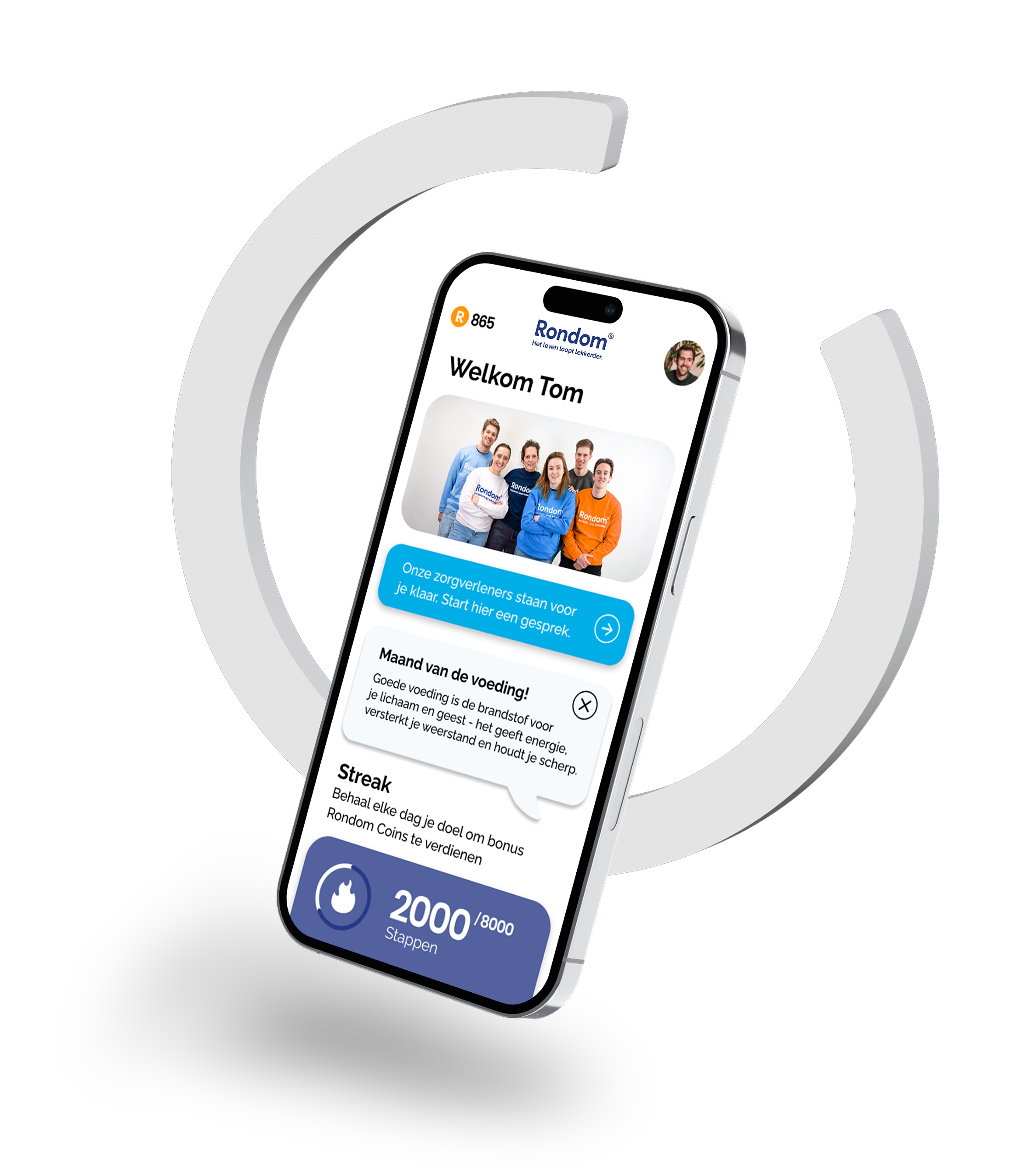
How Rondom can help
Together, we will look at what is important to you and what is currently achievable. In doing so, we will take into account your energy levels, symptoms, commitments and recovery.
A occupational therapist can help you organise your tasks and make choices that suit your capacity. A lifestyle coach can help with establishing a routine and recovery. If you are feeling guilty, worrying or struggling with setting boundaries, you can psychological support should be appropriate.
We look for options that bring peace of mind and fit in with your daily life.