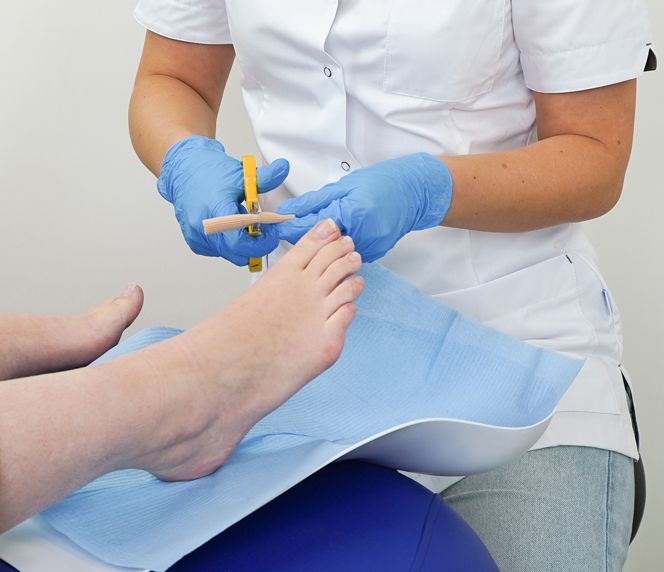
Oncological foot care provided by a podiatrist
Cancer and its treatment can cause all sorts of side effects, including those affecting the feet. These include hand-foot syndrome, neuropathy, excessive calluses or nail abnormalities. Patients are therefore increasingly visiting a podiatrist for appropriate foot care. A podiatrist helps to reduce or prevent such symptoms.
Every year, the number of cancer patients increases. Last year, there were even more than 110,000 new cancer patients. Fortunately, the majority recover, but cancer treatment can cause all sorts of side effects, including those affecting the feet. These include hand-foot syndrome, neuropathy, excessive calluses or nail abnormalities. Patients are therefore increasingly turning to a podiatrist for proper foot care. A podiatrist helps to reduce or prevent symptoms.
Side effects affecting the feet caused by chemotherapy
Chemotherapy is most effective against rapidly dividing cells, such as malignant tumours. Unfortunately, the effects of chemotherapy are not limited to the tumours; it also affects healthy cells such as bone marrow, hair, nails, skin and mucous membranes. The severity of the side effects always depends on the type of medication, the dose, the duration (the stage at which the diagnosis is made) and the type of cancer, as well as, amongst other things, any combination with other medication.
Common side effects of chemotherapy
In addition to the most common side effects (fatigue, nausea, diarrhoea, etc.), other side effects may also occur, such as hair loss, hand-foot syndrome, neuropathy and nail abnormalities.
Bone marrow depression
Another major problem is bone marrow depression. This is the suppression of cell division in the bone marrow (red blood cells, white blood cells and platelets). This can lead to leucopenia: a shortage of white blood cells needed to fight infections (bacteria and viruses). Determining whether leukopenia is present is of great importance to the podiatrist or chiropodist, in order to treat the patient as safely as possible and minimise the risk of infection.
Hand-foot syndrome
This side effect occurs on the soles of the feet and/or the palms of the hands. Symptoms include redness, itching, blisters, flaking and pain. This develops within a few days, weeks or months after the start of chemotherapy. Not all types of chemotherapy cause hand-foot syndrome. Once treatment stops, the symptoms disappear again. Hand-foot syndrome has various stages, ranging from mild (causing almost no discomfort) to severe (involving significant pain). To properly identify risk factors, it is important to have seen a podiatrist and, if necessary, a chiropodist before starting chemotherapy treatment.
What can a podiatrist specialising in oncology do for you?
The podiatrist can examine the feet and try to prevent and/or reduce the side effects by providing good advice on footwear and, if necessary, podiatric insoles and/or a orthosis. Nails can also be treated and any calluses or corns removed. In addition, there are numerous other tips that the podiatrist can offer to get your feet into the best possible condition and maintain this during treatment. During cancer treatment, the podiatrist would like to see you for check-ups, in order to monitor your condition closely and treat any recurring calluses or pressure points.
14 tips for looking after your feet during chemotherapy
- Moisturise your skin thoroughly, using a cream that is suitable for use whilst undergoing cancer treatment;
- Avoid rubbing vigorously when applying cream (this applies to the whole body);
- Take short, lukewarm showers;
- Use a mild, moisturising, unscented shower gel or shower oil;
- Wear loose-fitting clothing (that does not stick to the skin or cause irritation);
- Wear cotton socks;
- Protect your skin from the sun, and pay particular attention to the skin on your hands and feet;
- Protect your skin from the cold; wear slippers indoors.
- Avoid putting excessive pressure on the feet, such as when jogging, doing aerobics, walking, jumping, wearing tight shoes or high heels;
- Prevent skin damage to your hands and feet;
- Do not use artificial nails;
- Cut your toenails straight across if you still wish to do this yourself;
- Avoid wet environments (e.g. swimming pools);