LOCATE study
Through the LOCATE study, we are investigating how neuropathy resulting from chemotherapy affects foot function. We are also examining the relationship between the severity of the neuropathy, foot function, and limitations in daily life.
LOCATE is the abbreviation of the English title of the study: Ankle and Foot Related Impairments and Activity Limitations in Patients with Taxane-induced Peripheral Neuropathy: A cross-sectional study.
Collaboration with Antoni van Leeuwenhoek
We are conducting this study in collaboration with the Antoni van Leeuwenhoek, Dutch Cancer Institute. The institute’s medical ethics committee has assessed and approved the study.
What is neuropathy following chemotherapy?
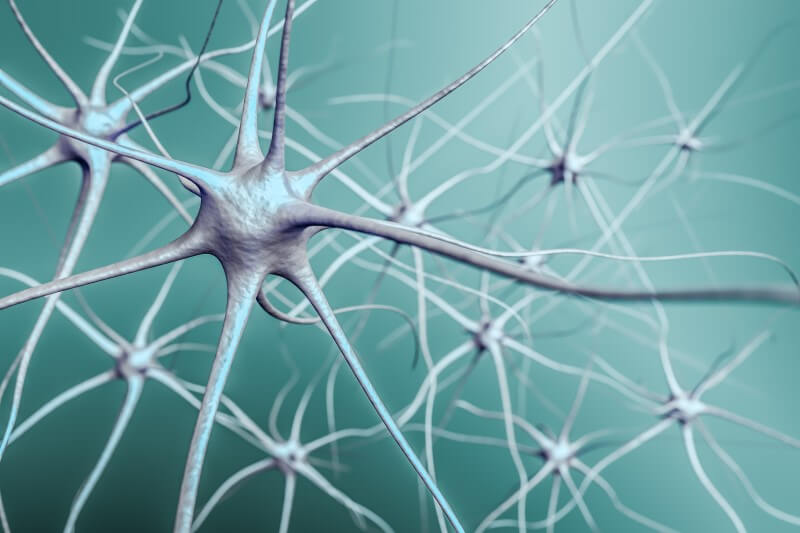
Neuropathy is damage to the nerves. This nerve damage can cause symptoms such as numbness, tingling, pain or loss of strength.
Neuropathy is a common side effect of chemotherapy for breast cancer. Yet neuropathy does not always receive the attention it deserves. Neuropathic symptoms develop during chemotherapy and can persist for a long time.
People with neuropathy may suffer from:
- Numbness or a loss of sensation in the feet
- Tingling
- Pain
- Muscle weakness
These symptoms can affect walking and balance. Everyday activities can also become more difficult. Examples include climbing stairs, going to the shops or standing for long periods.
Why are we conducting this research?
At present, there is no clear and proven treatment for neuropathy. Sometimes an exercise programme can help. Specialised footwear or orthotic insoles can also sometimes help. However, we do not yet know exactly when, and for whom, this approach is most suitable.
That is why we want to gain a better understanding of exactly how neuropathy affects foot function. If we know how changes in the foot are linked to walking difficulties, we will be able to treat the condition more effectively.
Through this research, we are contributing to knowledge that goes beyond individual treatment. We aim to gather insights that will help healthcare professionals provide better support to people with neuropathy. In this way, we are working towards care that focuses not only on alleviating symptoms, but also on daily functioning and maintaining independence.