Regaining trust
Have you noticed that you have less confidence in yourself or your body? Perhaps you no longer feel confident enough to take on certain activities. Or you may be unsure whether you can cope with your day-to-day life, work, household chores or social engagements. This can happen following an illness, health issues, burnout or a period when things just weren’t going well. Regaining confidence takes time. It usually doesn’t return simply by thinking that things will be alright. It grows through small experiences in which you realise: I can do this. That’s why it’s important to build it up step by step.
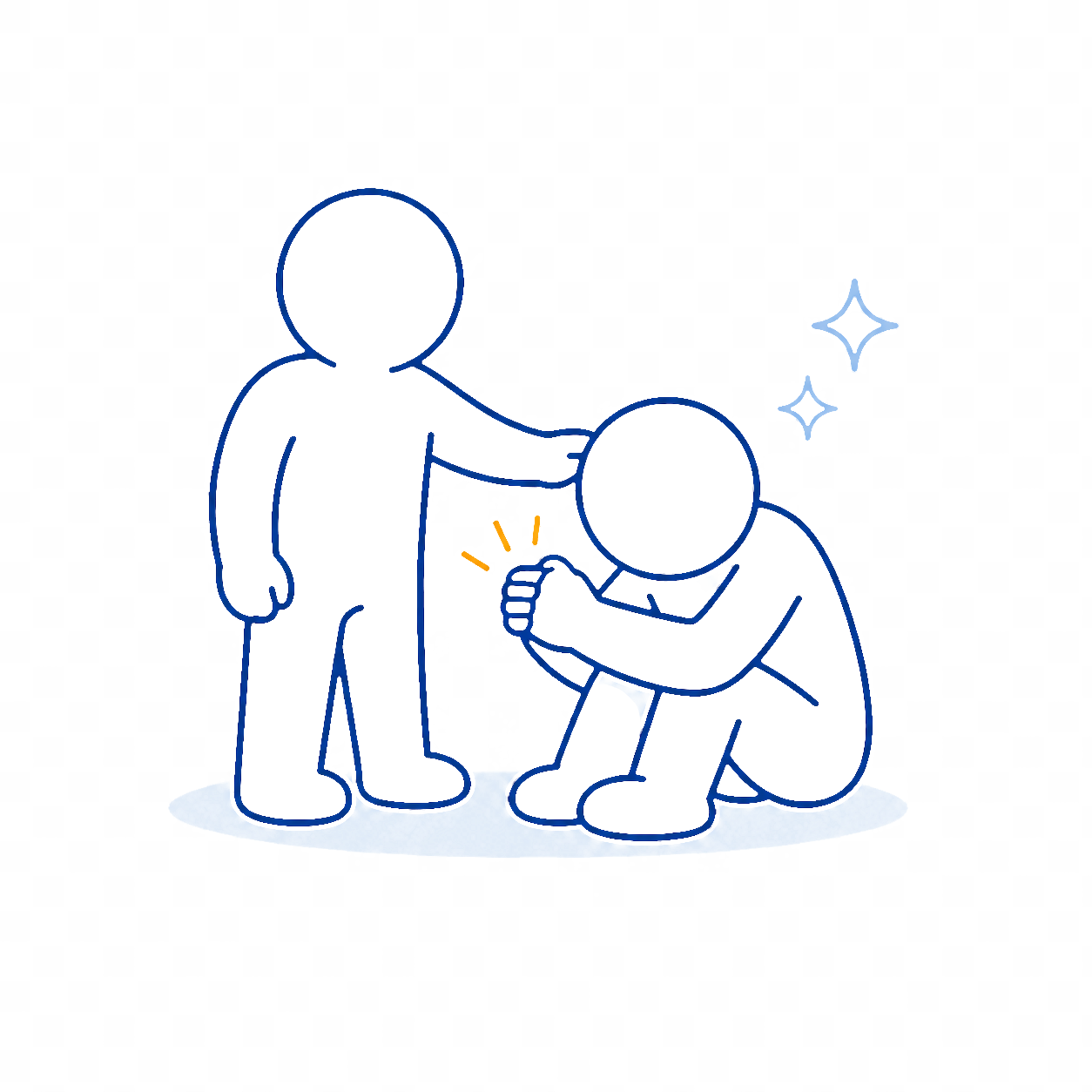
What do you notice?
Having less confidence can influence your choices and behaviour.
You may, for example, notice that:
- avoids your activities;
- you are afraid of a relapse;
- if you are in any doubt;
- you quickly think that something won’t work out;
- you seek confirmation from others;
- you are unsure about your body;
- you take less initiative;
- you feel tense when carrying out routine tasks;
- you feel disappointed when something doesn’t live up to expectations.
Sometimes you compare yourself to how you used to be. That can be painful and makes it harder to see the progress you’ve made.
What might be the reason for this?
Confidence can be undermined by pain, tiredness, a fall, illness, panic, overstimulation or prolonged stress. Your body or mind has then experienced that something was too much.
Disappointments can also play a part. If you have tried something several times and then experienced problems, trying again can be nerve-wracking.
Furthermore, uncertainty about your limits can make you feel insecure. If you do not know what is safe or achievable, every step feels like a big one.
What can you do yourself?
It helps to build trust through small, achievable steps.
For example, you could:
- start with something that feels safe;
- decide in advance when you will stop;
- write down afterwards what went well;
- gradually expanding its activities;
- rest plans before and after exercise;
- ask for support from someone you trust;
- not only paying attention to symptoms, but also to what went well;
- be understanding if a step does not go to plan.
Trust grows through repetition. Even a small step that succeeds is valuable.
When is it advisable to seek help?
Seeking help is a sensible thing to do if uncertainty is holding you back in your daily activities. Guidance can also help if you are afraid to exercise, travel, work or take part in social activities.
Ask for help if your world is getting smaller and smaller or if you’re not sure how to rebuild it safely.
How Rondom can help
Together, we’ll explore the areas where you’d like to regain confidence. In doing so, we’ll focus on your symptoms, energy levels, physical activity, stimuli, thoughts and your goals.
A occupational therapist can provide support in establishing daily routines. A physiotherapist can help if confidence in physical activity is an issue. In cases of anxiety, embarrassment or uncertainty, psychological support should be appropriate. A lifestyle coach can help with rhythm, recovery and perseverance.
Together, we’ll look for small steps that will help rebuild your trust.
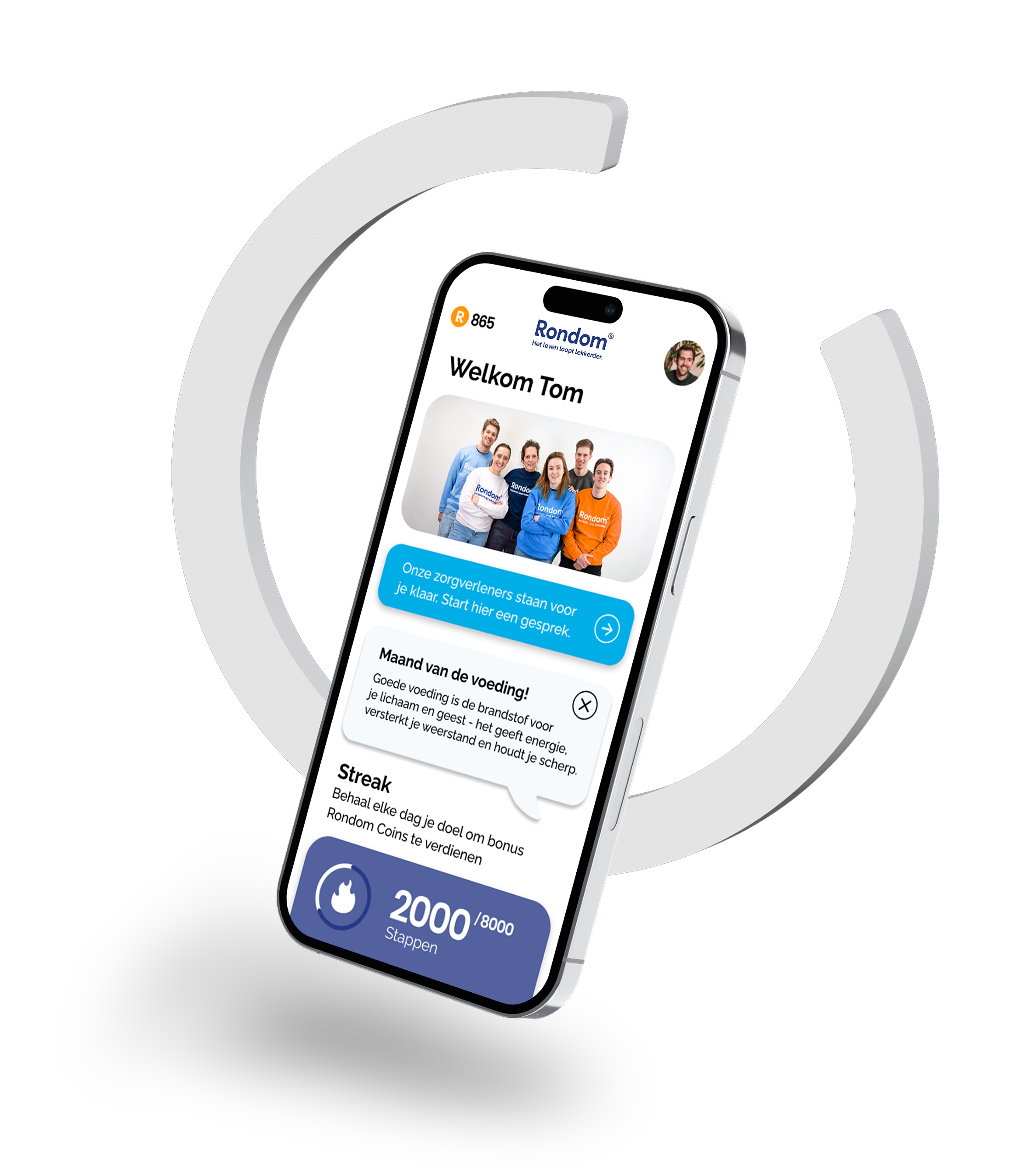
Work on your health with the Rondom app
- Direct contact with healthcare professionals via chat
- A community where you share experiences and motivate one another
- Personal challenges that match your goals
- Step counter for your daily exercise
- Earn points for healthy choices
- Articles, videos, recipes and assignments
- Register for (online) events