Autism spectrum disorder (autism)
You may have noticed for some time now that social situations take a lot out of you, that changes cause you stress, or that you become easily overwhelmed. You may also find that you need clarity, structure and predictability. Sometimes you do not understand others very well, or others do not understand you very well. This can lead to misunderstandings.
Many people recognise situations like this from time to time. However, for some people, these characteristics can be so pronounced that they affect their daily lives – for example, at home, at school, at work or when interacting with others. Sometimes, autism appears to play a role in this.
If these symptoms persist for a long time and affect how you feel or what you are able to do, it may be helpful to look into this further together.
What is it?
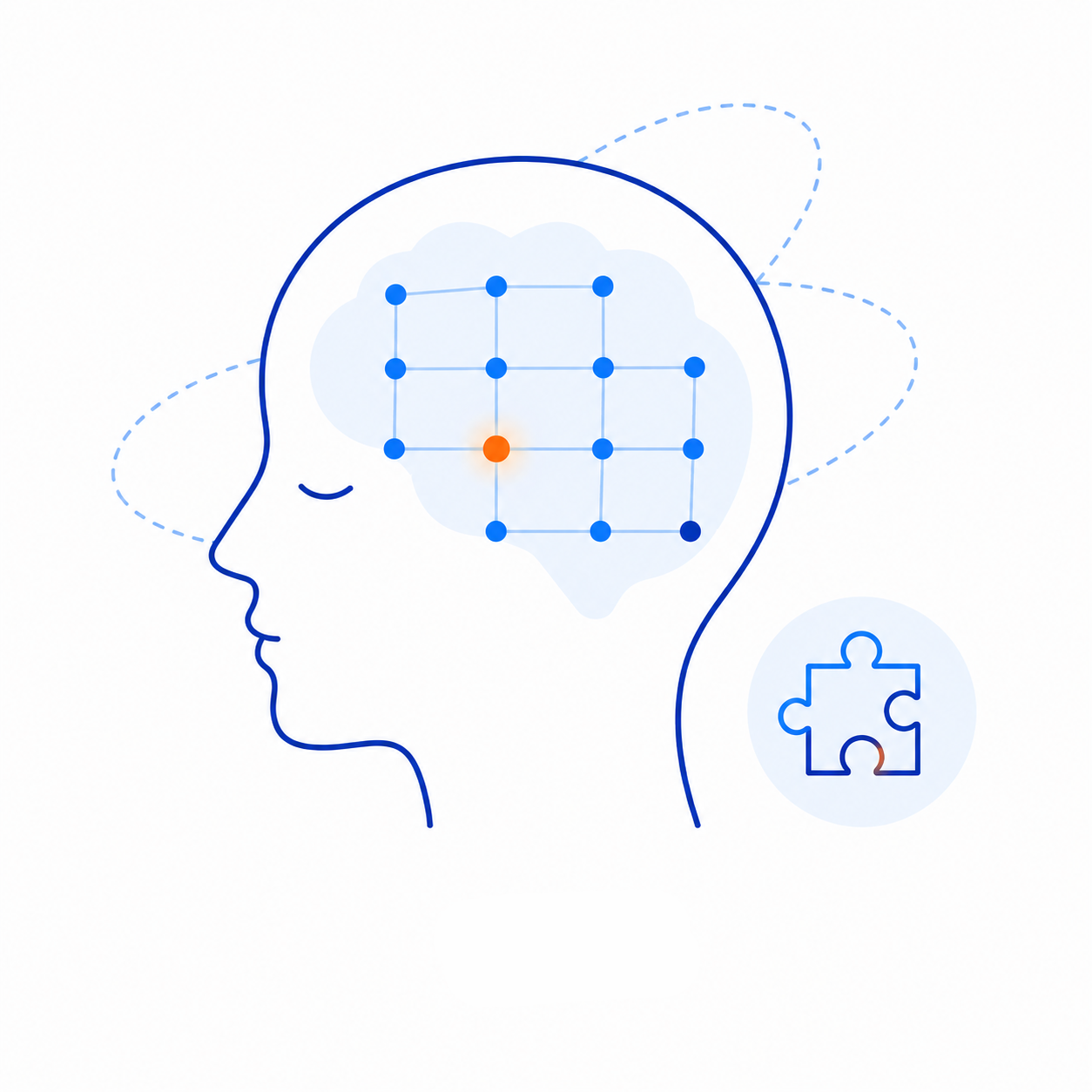
Autism is a developmental disorder. This means that the characteristics of autism are present from an early age.
People with autism often process information and stimuli differently. As a result, social situations, communication, changes and unexpected events can be difficult for them.
We talk about an ‘autism spectrum’ because autism manifests itself differently in everyone. The characteristics of autism may be mild in one person, whilst in another they may be more pronounced. There are no distinct forms of autism, but there are differences in how a person experiences and expresses autism.
Autism is not just about difficulties. Many people with autism have strengths such as an eye for detail, honesty, the ability to make good connections, or a strong sense of justice.
Causes
Autism is caused by differences in brain development. A person is therefore born with autism. Heredity often plays a role in this. This means that autism is more common within the same family.
Autism is not caused by upbringing or personal choices. The characteristics of autism are present from an early age. Some people therefore notice at a young age that they respond differently to stimuli, social interaction or changes.
However, this does not apply to everyone. For other people, the characteristics of autism may only become apparent later on. For example, at school, at work or in relationships. This often happens when more is demanded of someone or when situations are less predictable.
What do you notice?
Autism can manifest itself in many ways. For example, you may notice that:
- social situations take a lot of energy;
- you find it difficult to make contact or have conversations with others;
- you sometimes find facial expressions, body language or jokes difficult;
- you need clarity, structure and fixed arrangements;
- changes or unexpected situations cause a great deal of stress;
- you have difficulty processing and filtering stimuli, such as noise, light or crowds.
Some people tire easily because they have to think a lot about situations that seem to come naturally to others.
The impact of a healthy lifestyle and exercise
A healthy lifestyle can help people cope better with autism. It does not change autism, but it can help to reduce overstimulation, tension and fatigue.
Getting enough sleep, having a clear daily routine, predictable appointments and plenty of opportunities to rest can help you feel more in control and at peace. It is also important to take time to recover after busy periods.
Exercise can help to reduce tension and allow the body to relax. Above all, choose a form of exercise that suits you and gives you energy. Regular exercise is often more beneficial than intensive training.
Our lifestyle coaches to help establish structure, healthy habits and a good balance between exercise, relaxation and recovery.
What can you do yourself?
There is a lot you can do yourself to better cope with the challenges that autism can bring. Small adjustments to your daily life can help you to experience more peace of mind, clarity and balance.
For example, you could:
- Ensuring sufficient sleep and periods of rest;
- Maintain a regular daily routine;
- Plan and prepare activities as much as possible;
- Allowing sufficient time for recovery after busy or stimulating situations;
- Learning to recognise which stimuli cause tension or stress;
- Set boundaries and be mindful of your own capacity;
- Regular exercise;
- Creating an environment that meets your need for peace and clarity;
- Using tools such as diaries, planners or reminders;
- Ask for support if you find that certain situations are taking a lot out of you.
By paying attention to what gives you energy and what drains your energy, you can better respond to your own needs and help prevent burnout.
Advice and treatment
If you think autism may be a possibility, our psychologists We will carry out an assessment. During the assessment, we will look at your symptoms, your progress and how you experience situations in your daily life.
If autism is diagnosed, you will be given an explanation of what this means for you. We call this psycho-education. You will gain a better understanding of where certain symptoms or difficulties come from and what can help you in your daily life.
The treatment focuses on learning to cope better with autism and any associated symptoms. Treatment can help with:
- coping with stimuli and overload;
- tension or stress;
- gloom or uncertainty;
- social situations;
- structure and day-to-day operations.
Sometimes more specialised care or support is required. In that case, we will discuss a suitable referral together.
Autism can affect many aspects of daily life. These include sensory overload, fatigue, difficulty coping with change, or finding a good balance between activities and rest. If these challenges affect your day-to-day functioning, support from a occupational therapist to be helpful.
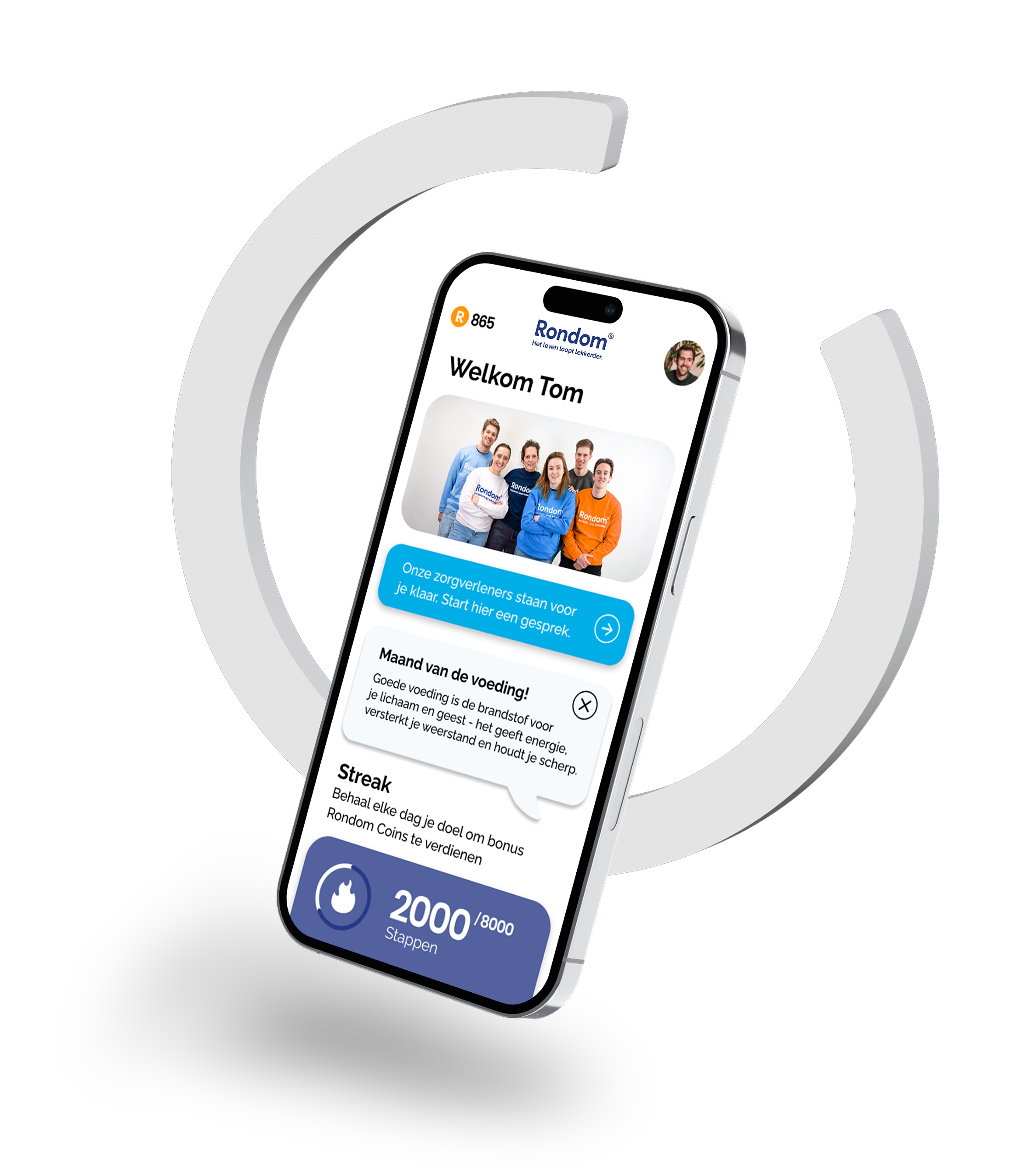
Work on your health with the Rondom app
- Direct contact with healthcare professionals via chat
- A community where you share experiences and motivate one another
- Personal challenges that match your goals
- Step counter for your daily exercise
- Earn points for healthy choices
- Articles, videos, recipes and assignments
- Register for (online) events