Foot check and artificial intelligence
In collaboration with Fontys ICT We are investigating how artificial intelligence (AI) can be used within the Diabetes Foot Check app. This project is made possible by CoE Health.
With this research, we aim to further improve the Diabetes Foot Check app. We are focusing on two objectives: making the app easier to use; and helping podiatrists to assess check-ups and evaluate foot risks via the app. In this way, we are working towards accessible and thorough foot care, even remotely.
Background and rationale
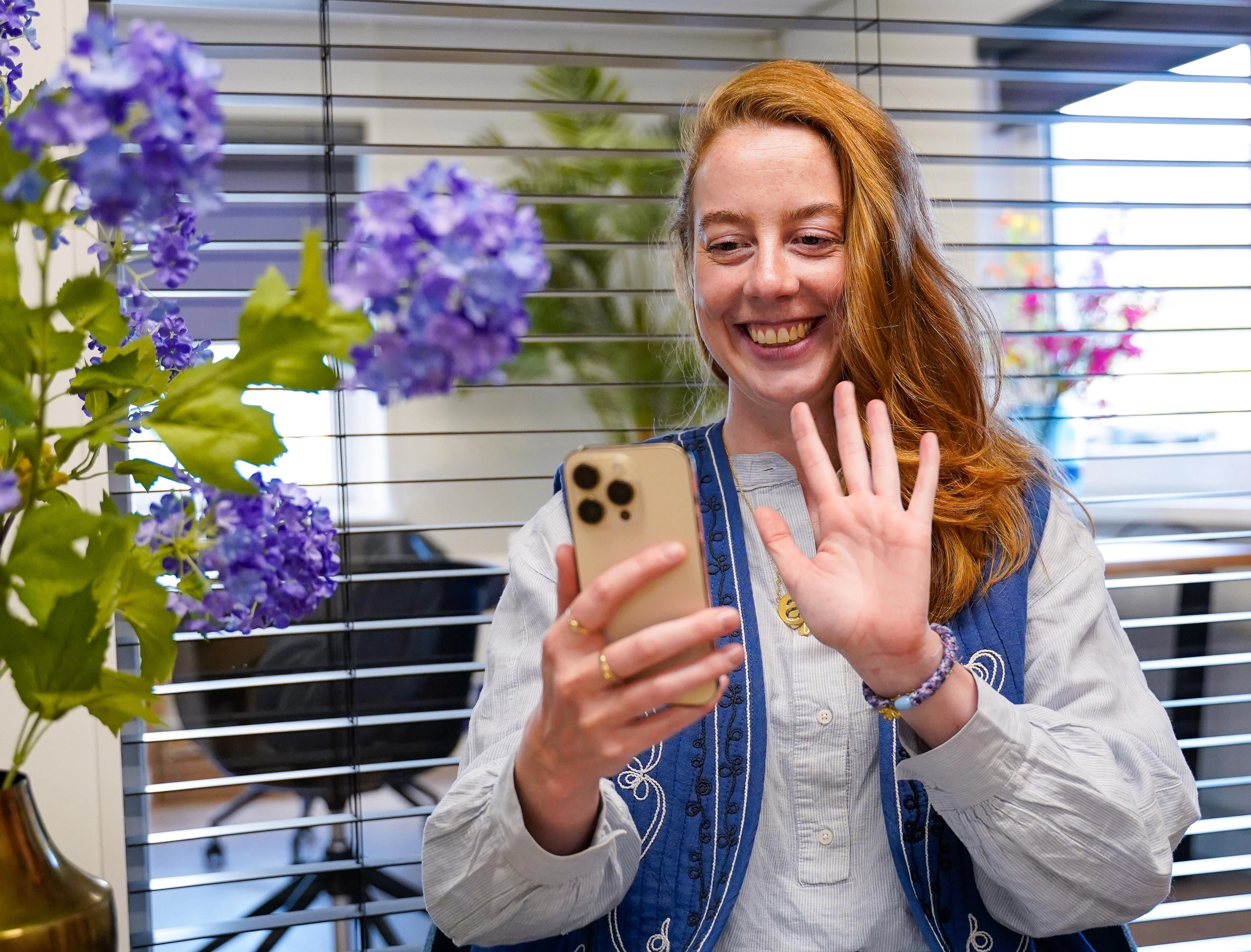
We have developed the Diabetes Foot Check app to help people check their own feet. In the app, users answer questions about their feet. Based on their answers, the app may ask the user to send in a photo. The photo is then assessed by a diabetes podiatrist. The podiatrist provides advice based on the photo.
In this way, the app helps with the early detection of developing foot problems. This makes it possible to take action more quickly and prevent complications such as wounds.
Project Technology Support for Diabetes
Previous research carried out as part of the Technology Support for Diabetes project shows that the app is not equally easy to use for everyone. This applies particularly to older people and those with less experience of digital tools. The latter group also tends to send in photos that are difficult to assess. For example, photos may be out of focus, too dark or of low resolution. This makes it more difficult to assess the feet properly. And this can affect how reliably and quickly risks are identified.
Use of artificial intelligence
For this study, we are looking at how artificial intelligence (AI) can help people take better photographs. One possibility is for the app to provide immediate feedback whilst taking the photograph. For example, whether the foot is properly framed in the shot, or whether more light is needed. This allows the photograph to be improved straight away before it is sent.
We are also investigating whether AI can help once the check questions have been completed. We are looking into whether AI can make an initial assessment of the outcome of the check and what follow-up steps may be required.
AI will never replace the podiatrist. However, AI can assist in the assessment of submitted photographs. The aim is to make the app easier to use, whilst at the same time improving the quality of the assessment.
Triage
Triage is the process of determining which incoming appointments pose the highest risk – and therefore who needs to be seen first. Podiatrists spend a great deal of time on triage. All high-risk patients are contacted personally by telephone to arrange an appointment for a check-up at the practice. As not every patient can be reached straight away, this process takes extra time.
Artificial intelligence carries out triage
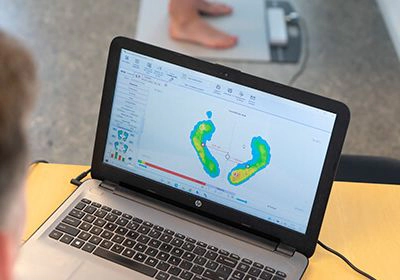
With this project, we are investigating how AI can assist with the initial assessment. AI can identify which screening questions are most likely to indicate the highest risk. It can also assess what might be visible in the image. This gives the podiatrist a quicker overview, making it clear which symptoms require attention first. This helps to provide the right care more quickly to those at greatest risk.
Further development
Based on these insights, we are further developing our digital support to complement face-to-face contact. By using technology carefully, we are working towards better self-management, higher-quality imaging and a more efficient triage process. In this way, we are making the most of new opportunities to keep healthcare accessible and we continue to seek ways to further improve the quality of our care.