Reimbursements for podiatry and chiropody care
The costs of podiatry and chiropody treatment can be reimbursed in various ways. This may be through a reimbursement from your supplementary insurance or through a reimbursement for medical foot care under your basic insurance.
Would you like to know what reimbursement applies to your situation? Below, we explain how reimbursement for podiatry and chiropody works.
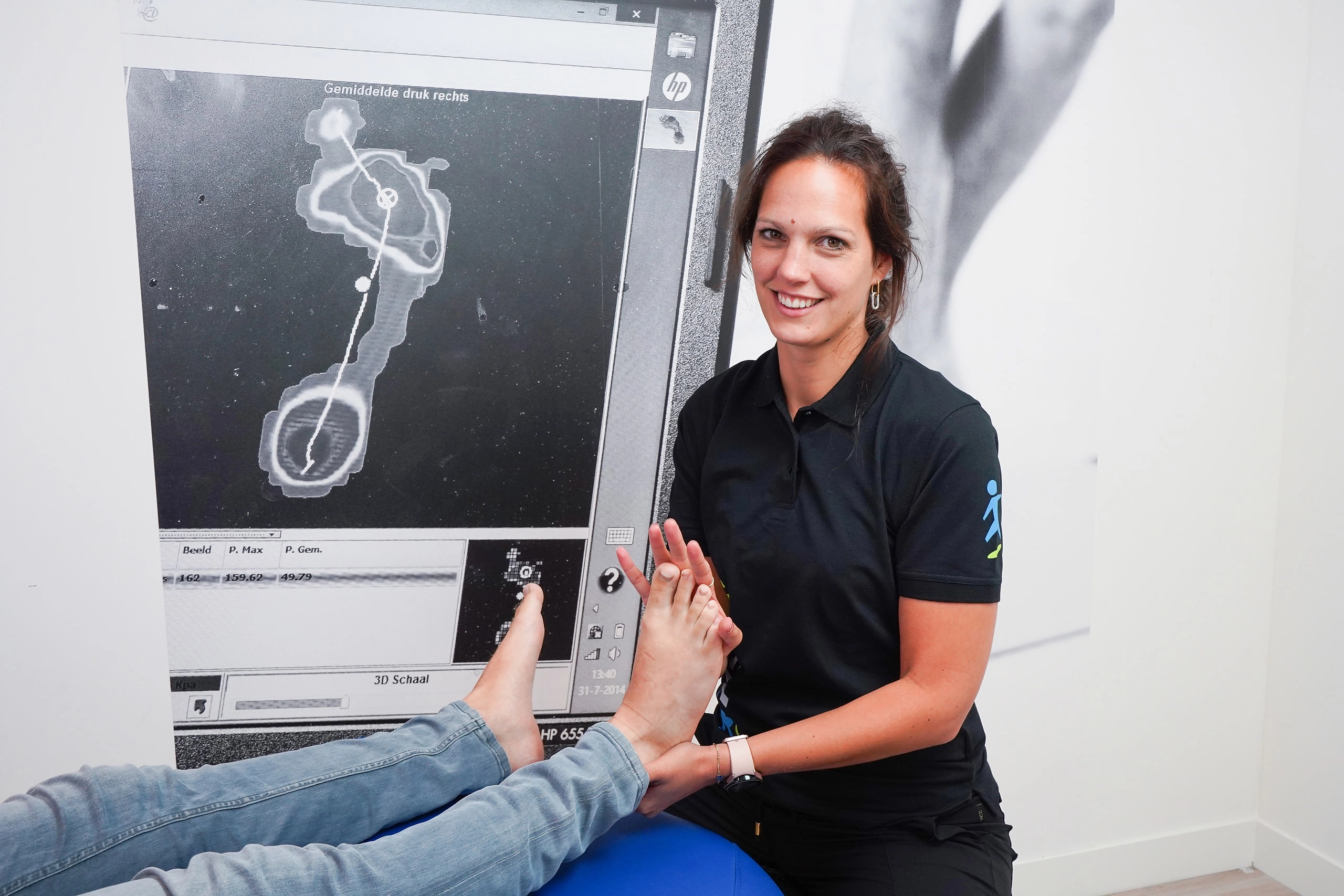
How does the reimbursement work?

Work on your health with the Rondom app
- Direct contact with healthcare professionals via chat
- A community where you share experiences and motivate one another
- Personal challenges that match your goals
- Step counter for your daily exercise
- Earn points for healthy choices
- Articles, videos, recipes and assignments
- Register for (online) events