The effect of foot and ankle aids in neuropathy
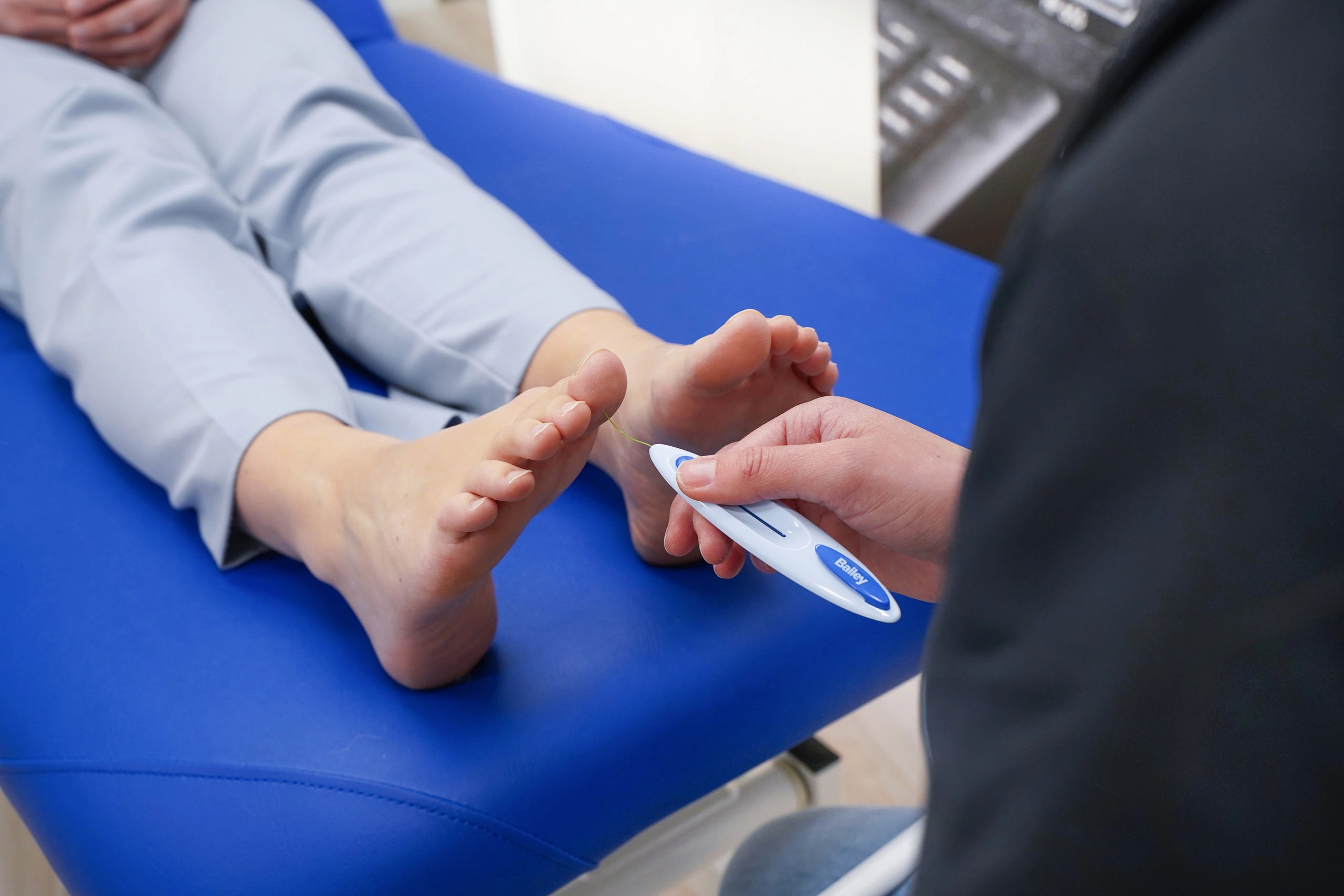
Neuropathy is damage to the nerves. This is common in people with a chronic condition, such as diabetes. Nerve damage can also occur following cancer treatment, such as chemotherapy.
People with neuropathy may experience numbness, tingling, pain or muscle weakness in their feet. This can make walking less stable. It can also impair balance. This increases the risk of falling.
As a healthcare organisation, we see just how significant the impact of neuropathy can be on daily life. That is why we believe it is important to thoroughly investigate which treatments are truly effective for neuropathy.
Reason
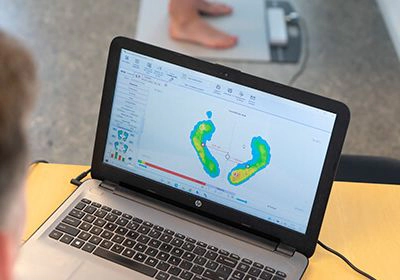
In podiatry, we use various aids, such as orthotic insoles and custom-made shoes. These aids can help improve stability and gait. However, it is not yet clear which approach is most effective for people with neuropathy.
Through this study, we aim to gain greater clarity on this matter. This will enable us to better substantiate which foot and ankle aids contribute to:
- a better balance
- a more steady gait
- fewer falls
By carefully collecting and assessing existing scientific studies, we map out what is already known. This helps us to better inform decisions in healthcare.
Approach
We are conducting a systematic literature review. This means that we select and assess scientific studies in a consistent and meticulous manner. In this way, we ensure that the findings are reliable.
The aim is to gain an understanding of the effect of foot and ankle orthoses on balance, gait and falls in people with neuropathy.
We are conducting this research in collaboration with researchers from Amsterdam UMC.
Evidence-based care
Through this research, we aim to contribute to healthcare that is safe and well-founded. By taking a critical look at what works, we can better tailor treatments to people with neuropathy.
In this way, we are working step by step towards care that is not only focused on alleviating symptoms, but also on maintaining independence and reducing the risk of falls. This is in line with how we view care within our organisation: carefully, with commitment and with a long-term perspective.