1. Home
  2. Healthy living and participation
  3. Werk studie en balans
  4. Overbelasting voorkomen

What do you think of our website?

We would love to hear what works well and what could be better. Your feedback helps us improve our website.

What would you like to give feedback on?

Read how we use feedback data.

Please note: Do not share medical details or a citizen service number (BSN).

Rondom – Het leven loopt lekkerder
Nederlands
  • Employers
  • Partners
  • Research
  • Working at
Rondom app
Ordering insolesAfspraak maken
Rondom – Het leven loopt lekkerder
Afspraak maken
Rondom – Het leven loopt lekkerder

We’d be happy to help you further.

  • info@rondomlopengroep.nl
  • 088-1180570

Need help?

  • Frequently Asked Questions
  • Reimbursement
  • Complaints procedure
  • What does your health insurer cover?

Contact

  • Book an appointment

Need help?

  • Frequently Asked Questions
  • Reimbursement
  • Complaints procedure
  • What does your health insurer cover?

Contact

  • Book an appointment

Services

  • Occupational therapy
  • Lifestyle and Dietetics
  • Podiatry and chiropody care
  • Psychology and social work
  • Physiotherapy
  • Rondom in Business
  • Rondom Shoes

Discover Rondom

  • Healthy living and participation
  • Activities
  • Rondom app
  • Social impact
  • Research

About Rondom

  • Current
  • Find a location near you

Follow Rondom

LinkedInInstagramFacebook

Life runs more smoothly.

General (payment) terms and conditionsPrivacy StatementCookie Policy
  • What do you notice?
  • What might be the reason for this?
  • What can you do yourself?
  • When is it advisable to seek help?
  • How Rondom can help
  • Download the Rondom app
  • Make an appointment

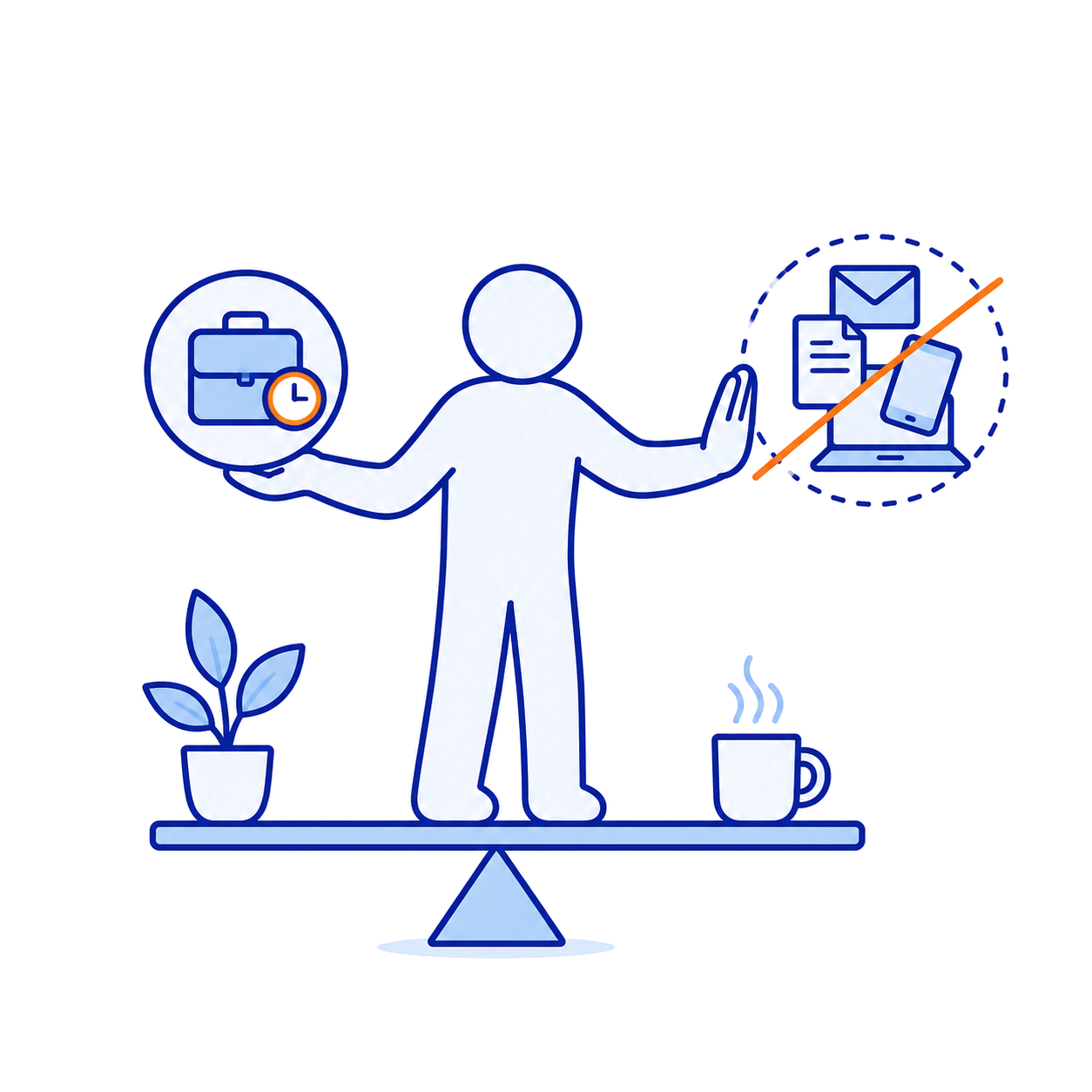
Preventing overexertion

Do you want to avoid becoming overworked, but aren’t quite sure where to start? Perhaps you find that you often carry on until you simply can’t manage any more. Or you only realise afterwards that you’ve taken on too much. Preventing overwork requires paying attention to warning signs, setting boundaries and allowing time for recovery. Many people only take action once symptoms are already clearly present. Yet there are often early warning signs. By recognising these in good time, you can make adjustments before you reach a breaking point.
Preventing overexertion
What do you notice?

The onset of work-related strain is not always obvious. It can start off small.

You may, for example, notice that:

  • you get tired more quickly than usual;
  • you are not sleeping as well;
  • you are more irritable;
  • you experience headaches or tension more often;
  • you enjoy it less;
  • you have difficulty concentrating;
  • you skip breaks;
  • you are not recovering as well;
  • you find yourself thinking more and more often that you need to carry on for a bit longer.

Sometimes you get used to a hectic lifestyle. Then feeling overwhelmed starts to seem normal, even though your body is already sending out warning signs.
What might be the reason for this?

Related topics

  • Adapting the workplace

    Do you find that your workplace isn’t quite right for you? Perhaps you’re experiencing discomfort caused by your chair, desk, screen, work height or the way you have to move. Or perhaps you find that by the end of the day you feel stiff, tired or tense. A workplace doesn’t have to be perfect, but it does need to suit your body’s needs. A good workplace helps to reduce discomfort and distribute energy more effectively. This applies not only to office work. The workplace can also have a significant impact on standing work, care work, production work, retail work or work whilst on the move.

  • Always on

Was this information helpful?

Overwork occurs when what you do demands more of you over a prolonged period than you are able to recover from. This can be caused by work pressure, care responsibilities, pain, tiredness, stress or a busy schedule.

A lack of flexibility can also be a factor. If you have little influence over tasks, pace or planning, it becomes more difficult to manage your workload effectively.

In addition, personal habits can have an influence. Perseverance, perfectionism or finding it difficult to ask for help can cause you to carry on for too long.

What can you do yourself?

It helps to respond to small signs at an earlier stage.

For example, you could:

  • track your daily energy intake;
  • plan breaks as a regular part of your day;
  • spread tasks throughout the week;
  • alternate between strenuous and light activities;
  • discuss boundaries before things go wrong;
  • take recovery time just as seriously as obligations;
  • ask for help with recurring pressure;
  • postpone or cancel less important tasks.

Preventing overexertion takes practice. It often starts with stopping sooner than you are used to.

When is it advisable to seek help?

It is wise to seek help if you find that you are repeatedly pushing yourself beyond your limits. It is also a good idea to seek advice if you are finding it difficult to recover, are often tired or are ignoring your symptoms.

Please also ask for help if you are unsure which symptoms apply to you or if you are finding it difficult to organise your day differently.

How Rondom can help

Together, we’ll look at how you become overworked and how you can recognise the signs earlier. In doing so, we’ll focus on energy, tasks, recovery, stress and boundaries.

A occupational therapist can help with the distribution of workload and recovery. A lifestyle coach can help with sleep, routine and healthy habits. In cases of stress, perfectionism or difficulty setting boundaries, it can psychological support should be appropriate.

We are looking for practical ways to prevent work-related stress.

Do you feel as though you’re always on the go? Perhaps you’re constantly busy with work, family, appointments or everything that still needs doing. Even when you’re sitting still, your mind keeps racing. That can be exhausting. It’s as if your body is at home, but your mind isn’t really there. Being constantly on the go can seem normal for a long time. Especially if you have a lot of responsibilities. But if there are few moments of rest, your system becomes overloaded. You may then experience symptoms such as headaches, tiredness, tension, poor sleep or irritability.

  • Carrying on with work despite pain or tiredness

    Do you find that work is becoming increasingly difficult due to pain or fatigue? Perhaps you manage to get through the working day, but afterwards you feel completely drained. Or you find yourself carrying on at work, even though your body is actually already telling you that it’s had enough. In the long run, this can take a heavy toll on you. Carrying on working whilst experiencing symptoms is often a matter of striking a balance. You want to do your job well, not put a strain on your colleagues and fulfil your responsibilities. At the same time, your body or mind may need more rest than you’re used to. If that balance is missing, work can start to feel more and more like a struggle for survival.

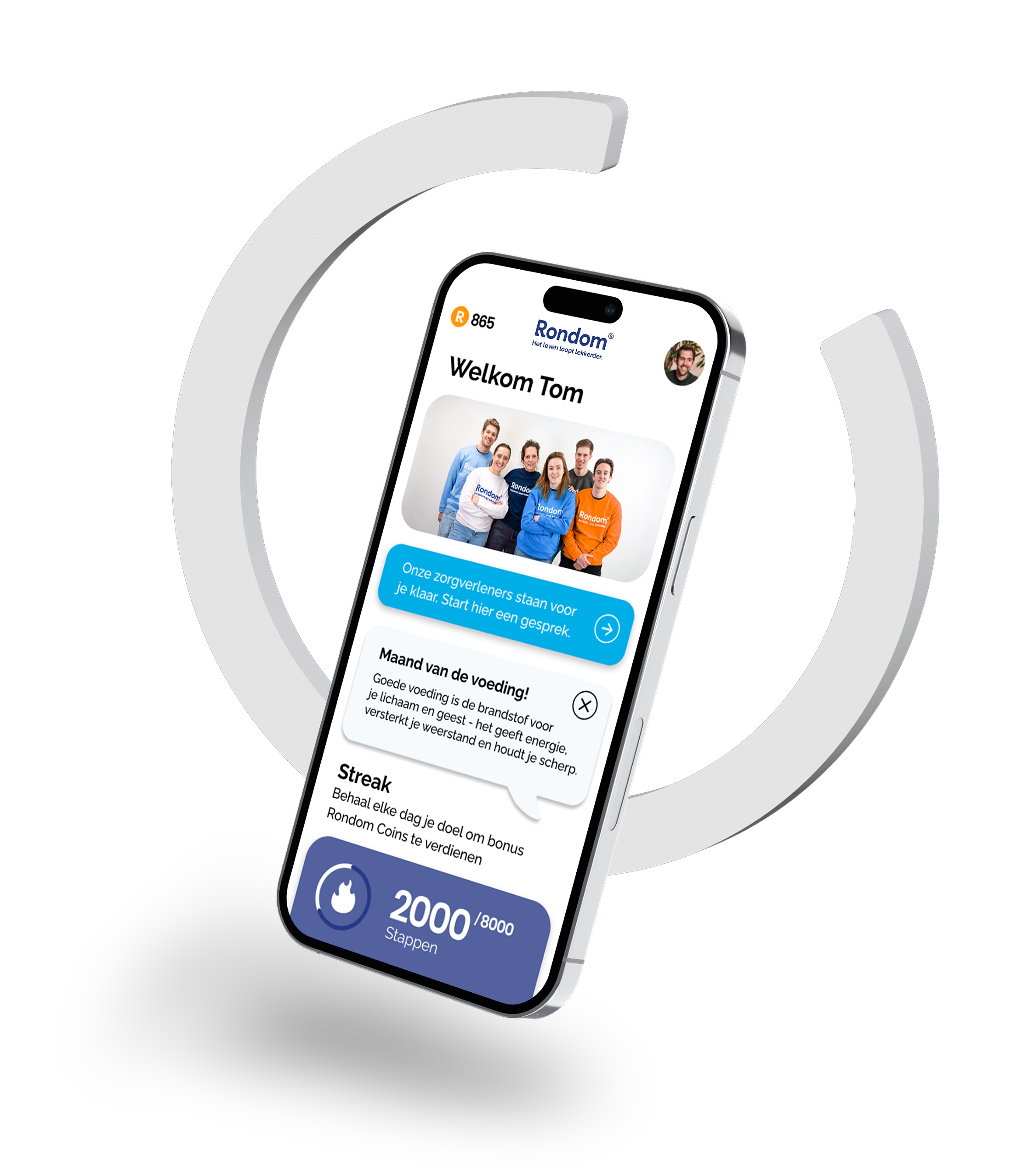
  • Work on your health with the Rondom app

    • Direct contact with healthcare professionals via chat
    • A community where you share experiences and motivate one another
    • Personal challenges that match your goals
    • Step counter for your daily exercise
    • Earn points for healthy choices
    • Articles, videos, recipes and assignments
    • Register for (online) events
    Discover the Rondom app

    Find a healthcare provider near you

    Book an appointmentCall usDownload the Rondom app