From reactive care to proactive health
At Rondom, we aim not only to provide good care when symptoms or conditions arise, but also to help maintain and improve health. Scientific and practice-oriented research plays an important role in this. By conducting research and applying the results in day-to-day practice, we develop knowledge that enables us to recognise health problems earlier and, where possible, prevent them.
Within this research area, we are investigating how we can make the transition from reactive care to proactive health. In doing so, we focus not only on people who already have health complaints or are patients, but also on people who are still healthy, have emerging health risks or could use support to remain healthy and full of vitality. We are investigating which physical, mental, social, behavioural and environmental factors influence health and how people can be provided with appropriate support at the right time.
Maintaining and improving health
Health is more than the absence of illness or disease. Functioning, resilience, wellbeing, lifestyle, social participation, a sense of purpose and the ability to participate in daily life also play an important role. That is why we examine health from a broad and person-centred perspective, in line with the principles of positive health.
We investigate which factors help people to stay healthy and active and how health develops over the course of a lifetime. In doing so, we look at factors including physical activity, diet, sleep, stress, mental health, motivation, work, social circumstances and the living environment. We also investigate how these factors influence one another and how support can be better tailored to people’s personal goals, capabilities and everyday circumstances.
In addition, we develop and evaluate interventions aimed at promoting health, empowering people to take control of their own lives and supporting sustainable behavioural change. In doing so, we investigate not only whether an intervention works, but also for whom it works, under what circumstances, and how positive effects can be sustained in the longer term.
Early detection and preventive support
Many health problems develop gradually. Changes in behaviour, lifestyle, functioning or well-being can sometimes already be apparent before someone experiences clear symptoms or requires care. By recognising these changes at an earlier stage, it may be possible to offer appropriate support in good time.
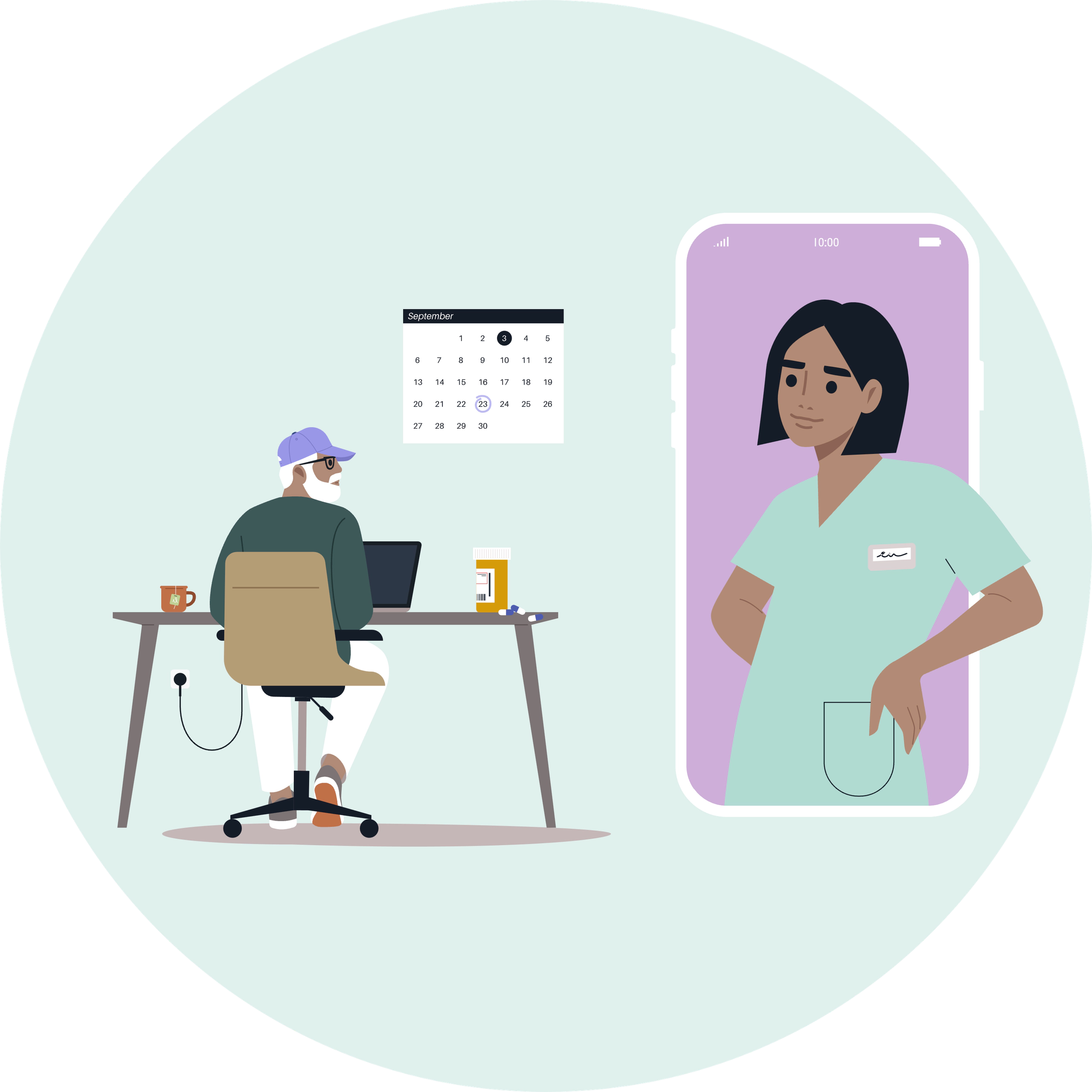
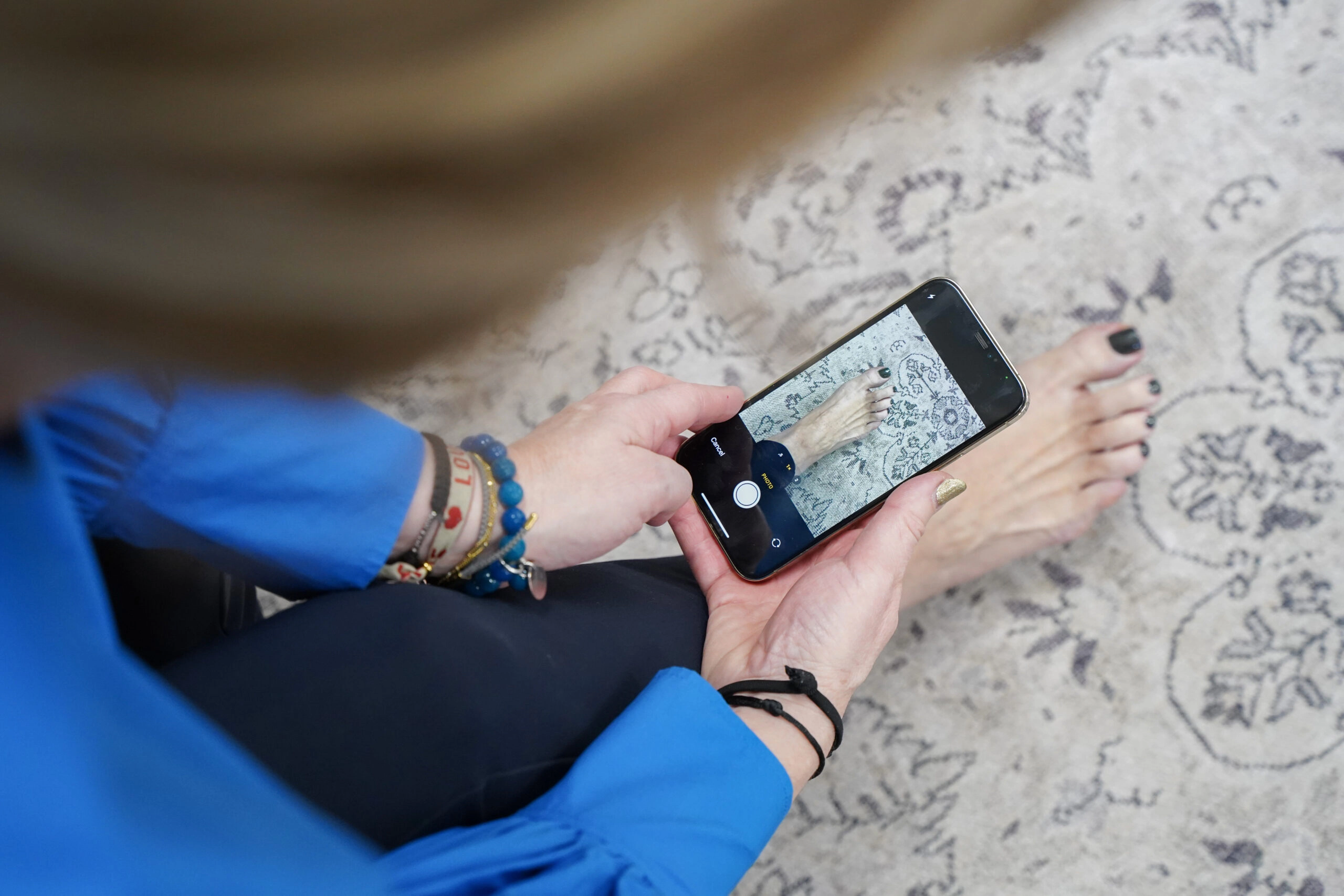
Within this research area, we are therefore investigating how health risks and changes in health can be identified early and reliably. Data from, for example, questionnaires, measurements, digital tools, mobile applications and everyday healthcare and health practice can be used for this purpose. By combining data over a longer period, we gain greater insight into patterns and trends in health, lifestyle and functioning.
We investigate not only which indicators are relevant, but also what support is subsequently appropriate. This can range from information or personalised advice to digital guidance, a preventive intervention or support from a healthcare professional. In doing so, we take into account the individual’s needs and preferences, as well as the severity and nature of the identified risk.
Research projects
Within this research domain, we carry out a wide range of scientific and practice-oriented research projects. The projects focus, amongst other things, on positive health, early detection, prevention, lifestyle, vitality, sustainable behavioural change, digital monitoring and personalised support.
Although the topics and target groups vary from project to project, the projects share a common goal: to support people in remaining healthy, active and independent for as long as possible, and, where possible, to prevent health problems from arising, worsening or leading to the need for more intensive care. Below you will find an overview of current projects, completed projects and student projects within this research area.
Any questions or interested in working with us?
Do you have a research question, a project idea or a proposal for collaboration within this research area? We’d be happy to brainstorm with you and explore the possibilities together.