Hypermobility in children
You may notice that your child is very flexible or can easily make unusual movements with their joints. Often, this is nothing to worry about. However, some children may experience symptoms, such as pain in their feet, legs or back.
Your child may also get tired more quickly, fall over often or be reluctant to walk long distances. These symptoms can affect your child’s daily life – for example, at school, whilst playing outdoors, doing sport or taking part in other activities.

What is it?
Hypermobility means that joints can move further than normal. Children are often naturally more flexible than adults. In hypermobility, several joints are particularly mobile.
In cases of hypermobility, muscles and tendons have to work harder to keep the joints stable. Hypermobility is usually not a cause for concern. Only when it leads to pain, fatigue or limitations in daily life may an examination or treatment be necessary.
Causes
We do not know exactly what causes hypermobility. It may be due to the connective tissue being slightly more supple. Connective tissue provides support to joints, muscles and tendons.
The degree of joint flexibility varies from child to child. Sometimes hypermobility runs in the family. In a small number of cases, it is caused by a connective tissue disorder. In such cases, other symptoms are often present as well.
What do you notice?
Not every child with hypermobility experiences symptoms. If symptoms do arise, they are often related to fatigue or instability.
You may notice that your child is experiencing:
- tired legs or feet;
- pain in the feet, knees, legs or back;
- getting tired more quickly whilst walking or exercising;
- frequently trip or fall;
- difficulty walking for long periods or standing for long periods;
- unstable ankles or knees;
- less inclination to take part in sport or games.
The impact of a healthy lifestyle and your mental health
In hypermobility, joints move more easily and to a greater extent than average. As a result, muscles have to work harder to support the joints properly.
Sufficient exercise helps to strengthen muscles. Stronger muscles provide greater support around the joints. This can sometimes reduce pain, tiredness and strain. Too little exercise, on the other hand, can actually weaken muscles. This can lead to an increase in symptoms.
Recovery is also important. If a child does a lot without getting enough rest, their body can become overloaded. This can lead to more pain, tiredness or difficulty with daily activities. A good balance between movement, exertion and rest helps to distribute the strain more evenly.
Mental health also plays a role. Stress, anxiety or uncertainty can make pain and tiredness feel more intense. A child may also move less due to a fear of pain. As a result, muscles can weaken and symptoms may actually persist for longer.
Clear explanations, confidence in movement and a gradual approach help to keep symptoms better under control. Our occupational therapists can help ensure activities are spread evenly throughout the day. Our lifestyle coaches can support them in achieving a healthy weight, which can help to reduce symptoms.
What can you do yourself?
You can help your child to alleviate their symptoms. It is important to prevent strain on muscles and joints, without avoiding exercise altogether.
You can help your child by:
- to continue to encourage sufficient exercise;
- to ensure a balance between physical activity and rest;
- to watch out for signs of tiredness or pain;
- to ensure they wear sturdy shoes;
- to gradually build up exercise and activities;
- not to let it run for too long at a time;
- to give your child positive support for the things they do manage to do.
Advice and treatment
Our podiatrists We assess how your child walks and moves. We look at the position of the feet and the stability of the rest of the body. The podiatrist also assesses the strain on muscles and joints.
Treatment may consist of:
- shoe advice;
- podiatric insoles;
- exercises to strengthen muscles;
- advice on exercise and physical activity;
- collaboration with a paediatric physiotherapist.
Together, we will look for a treatment that suits your child’s symptoms and daily life.
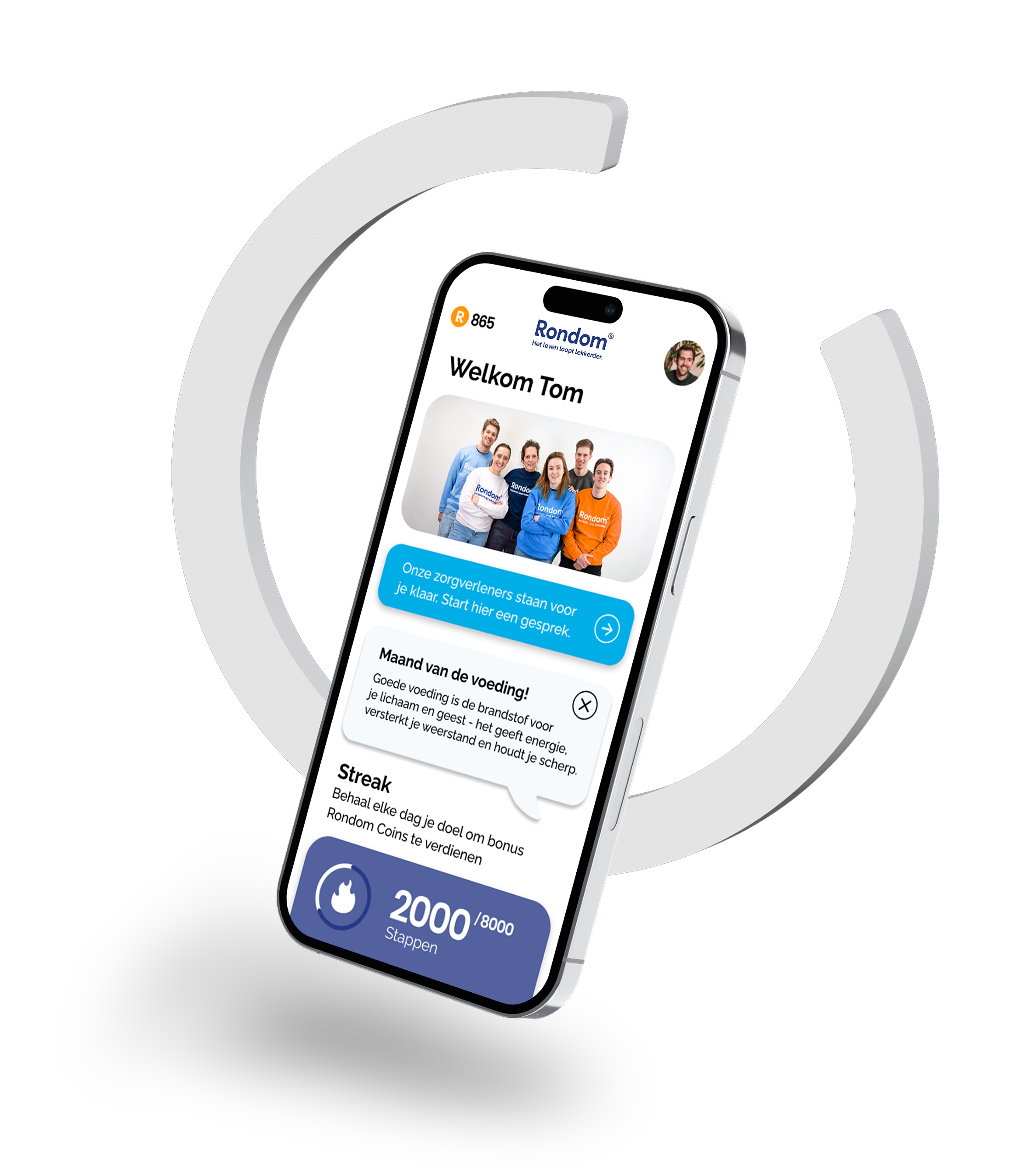
Work on your health with the Rondom app
- Direct contact with healthcare professionals via chat
- A community where you share experiences and motivate one another
- Personal challenges that match your goals
- Step counter for your daily exercise
- Earn points for healthy choices
- Articles, videos, recipes and assignments
- Register for (online) events