Athletics and podiatry
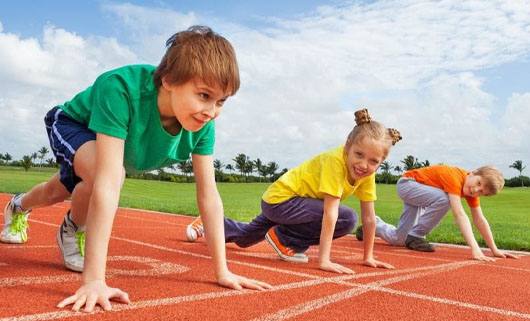
Athletics is a fun and versatile sport, but it places great demands on the muscles and tendons in the legs. Running, sprinting, high jump or long jump, often on hard surfaces. This requires fast, elastic muscle and tendon strength, as well as good shock absorption. It is therefore not surprising that injuries can occur. These are often tendon injuries or overworked hamstrings. However, problems in the forefoot, ankles or knees – the joints – can also occur due to insufficient shock absorption.
How does pain develop in athletics?
In children, the body is, of course, still developing rapidly, and the body becomes particularly susceptible to problems during growth spurts. The tendons are often unable to keep up with the rapid growth of the bones straight away, resulting in temporarily increased tension on the tendons. Combined with the explosive forces required for sprinting and jumping, this can quickly lead to overloading of the points where the tendons attach to the bone. These are the so-called growth plates, parts of the bone that are often not yet fully hardened and strong in children. Morbus sever en Osgood Schlatter are common between the ages of 9 and 12 in children who run a lot.
Treatment by a podiatrist for athletics
Relative rest and a reduction in the number of hours spent exercising are often necessary for such complaints. The tendons may also be under extra strain, or natural shock absorption may be reduced due to an abnormal foot position or restricted movement in the ankle joint. The podiatrist can assess static and dynamic factors to correct foot position and posture where necessary, thereby providing the tendons with greater rest and supporting them during the healing process. The podiatrist may also prescribe exercises to improve movement in the ankle joint and shoe advice or provide shoe modifications to optimise shock absorption and foot movement.
Outcome of the complaint regarding children’s athletics
Most symptoms do take some time to resolve, although if you follow the treatment and advice properly, you will often notice the symptoms easing quite quickly. After 2 months, the symptoms have virtually disappeared in 80% of cases. In around 20% of cases, it may take a little longer (6 months to 1 year).
Advice on athletics injuries in children
To prevent injuries, it is important to wear well-fitting footwear that supports the foot’s natural movement and helps to absorb shock.
A varied exercise routine, challenging the body whilst also ensuring sufficient rest and a healthy diet, are important for exercising without discomfort, particularly for growing children. A proper warm-up and cool-down also help to prevent discomfort. Should any mild symptoms arise, it is advisable to take a break from the sporting activity straight away. Applying an ice pack after exercise may help to relieve the pain. After a period of rest, the pain may also subside on its own.