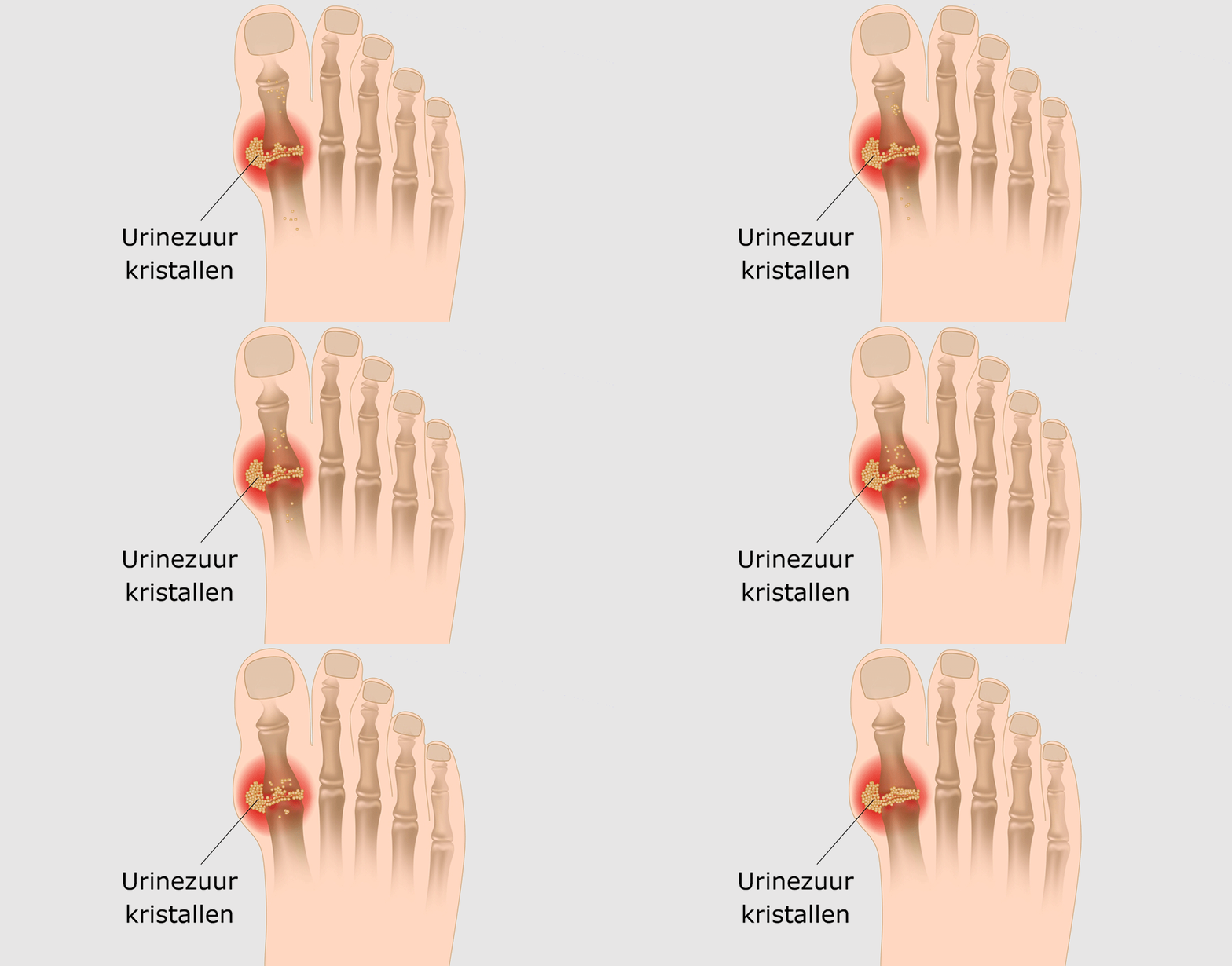
Gout
Gout is a painful inflammation caused by crystallised uric acid in a joint, usually the big toe joint or elsewhere in the foot. The joint becomes swollen, red and warm. Medication can reduce the inflammation and the pain. It is particularly painful when weight is put on the joint. Sometimes you may also experience pain at night.
What is gout?
Gout is an inflammation in a joint, usually the big toe joint or elsewhere in the foot, or in other tissues such as the skin, bursae, tendons and muscles, caused by the deposition of uric acid crystals. This inflammation can occur in various parts of the body and cause (acute) pain. The joint becomes swollen, red and warm. Medication can reduce the inflammation and the pain. It is particularly painful when weight is placed on the joint. Sometimes you may also experience pain at night. Standard treatment often focuses on managing the symptoms. Certain lifestyle factors and diet can influence the development of gout.
Causes of gout
Gout is caused by the body’s inability to excrete excess uric acid via the kidneys, leading to acidification (hyperuricaemia). Excess uric acid must be neutralised to maintain a constant level of acidity in the blood, i.e. the pH value. Normally, uric acid is neutralised through a reaction with the substance sodium bicarbonate in the blood. However, if there is insufficient sodium bicarbonate present in the blood plasma, the body switches to a different mechanism to neutralise the uric acid. The uric acid is then converted into a solid form, namely uric acid crystals.
Uric acid crystals
These no longer affect the acidity of the blood. The acidity of the blood is thus restored to balance. The uric acid crystals that have formed can now deposit on the joints and other tissues, whereupon the body reacts with a severe and extremely painful inflammatory response; this results in a heart attack.
Elevated uric acid levels in the blood can be caused by:
- Stress, chronic alcohol consumption or as a result of cytostatic drugs.
- Increased cell breakdown in the body caused, for example, by tumours, psoriasis and obesity.
- A purine-rich diet consisting of red meat and offal, certain types of fish such as anchovies, sardines, mussels and lobster, poultry, game and pulses.
Gout and feet
If you visit a podiatrist with rheumatic symptoms in your feet, they can treat and/or prevent these by:
- Foot exercises: low-impact foot exercises to prevent stiffness and cramps immediately after a gout attack.
- Good shoe advice
- Podiatric insoles: causes without reducing the strain on the affected toe joints, thereby alleviating symptoms; this may involve stiffening of the sole, usually around the big toe. Gout can also occur in the ankle joint; in such cases, a heel lift is sometimes necessary to achieve accelerated roll-off in the ankle joint.
- Foot care: Dry your feet thoroughly, including between the toes. Trim your nails straight across (or have them trimmed) and apply cream to your feet every day.
Medication for gout
Colchicine for gout
During a gout attack, doctors often prescribe the medicine colchicine.
Colchicine is prescribed to combat and/or prevent inflammation. It is a toxic substance that binds to the proteins in white blood cells, thereby preventing them from causing further inflammation. Colchicine lowers the body’s resistance and has a suppressive effect that is intended to help reduce acute gout attacks. However, the use of colchicine has a very undesirable downside; nausea, vomiting and diarrhoea are common side effects.
Allopurinol for gout
If uric acid levels remain consistently very high, the doctor may prescribe the medicine allopurinol. Allopurinol is designed to inhibit uric acid production. Unfortunately, these medicines merely treat the symptoms and can sometimes cause unpleasant side effects.
Allopurinol is a medicine designed to inhibit the production of uric acid by blocking the enzyme “xanthine oxidase”. This inhibits the conversion of purine to uric acid, thereby reducing the level of uric acid in the blood. A problem with this medicine is that it cannot be taken by people with liver failure. It has also recently come to light that allopurinol is harmful to the kidneys. Doctors therefore no longer prescribe it to people with impaired kidney function. A gout attack may temporarily worsen when a patient starts taking allopurinol, which is why colchicine is often prescribed during the first few weeks.