Pedicure Conference 2025 | Living life to the full with a (chronic) condition
On Friday 14 November 2025, Rondom Podotherapeuten is organising our annual digital podiatry conference!
As a (medical) chiropodist, you play a crucial role in the foot care of people with chronic conditions. How can you make your treatments even more effective and collaborate more effectively with other healthcare professionals? This conference offers a range of insights, practical examples and the latest developments in chronic foot care.
We will discuss the Foot Ulcer Prevention Care Module and its impact on your work. We will also look at foot problems in cancer patients and discuss what oncological foot treatment entails. Collaboration is more important than ever due to the rise in chronic diseases and the expansion of medical foot care. We will discuss the importance of collaboration, drawing on practical experiences and best practices from the field.
We’ll also delve into the importance of behavioural change and health literacy. How do you motivate clients to engage in preventive care? What factors play a role in successfully changing habits? You’ll be given practical tools to tackle these challenges in your practice.
Join us at this inspiring conference and expand your knowledge, skills and network!
-w2560.webp?v=mtj3d250)
Programme
Welcome: introduction – Miranda van Mol
The Zorgmodule 2024: one year in use – Sepp Mortelmans
Short break
Oncology patients and foot care – Birgit van der Heijde and Carla Verspuy
Pause
Collaboration between the chiropodist and podiatrist in relation to chronic conditions – Maartje Mouchart
Short break
Behavioural change and health literacy: making a difference – Birgit Paling
Conclusion
Presentation 1: The Care Module 2024 – one year in use
Time: 12:40 – 13.25 | Speaker: Sepp Mortelmans
Since 2023, not only diabetes patients but also people with other conditions who are at increased risk of foot ulcers have been entitled to basic medical foot care. In February 2024, the new ‘Foot Ulcer Prevention’ care module was introduced. This presentation explains the key changes and discusses how this module has been applied in practice over the past year. What are the challenges and bottlenecks in its implementation? What successes have been achieved? Drawing on real-life case studies, concrete experiences and insights will be shared, so that you, as a (medical) chiropodist, can apply this knowledge in your own field of work.
Presentation 2: Cancer patients and foot care
Time: 13:30 – 14:15 | Speakers: Birgit van der Heijde and Carla Verspuy
Cancer patients often have specific foot problems as a result of the disease or treatments such as chemotherapy or targeted therapy. This presentation discusses why foot care for this patient group deserves extra attention. What are the most common problems, and how can medical pedicurists and podiatrists respond to them effectively? What does oncological foot treatment involve? How can we support one another, and what are the challenges in practice? Through case studies, practical examples will be shared and guidance offered to optimise care for cancer patients.
Presentation 3: Collaboration between the chiropodist and podiatrist in relation to chronic conditions
Time: 14:45 – 15:30 | Speakers: Maartje Mouchart and Heleen Enklaar
Clients with chronic conditions often visit both a chiropodist and a podiatrist. This presents opportunities for collaboration, but also poses challenges. This session will examine which factors contribute to effective collaboration and how this can improve the quality of care.
The report examines obstacles and areas for potential improvement. Practical examples and best practices demonstrate how effective coordination between professionals leads to better care and satisfied clients. In addition, the report provides space to discuss less successful experiences, so that lessons can be learnt for future collaboration.
Presentation 4: Behavioural change and health literacy: making a difference
15:35 – 16:20 Speaker: Birgit Paling
People with a chronic condition benefit from preventive care, but changing behaviour remains a challenge. It is well known that behavioural change takes an average of 2 to 3 months, provided there is sufficient awareness. How do you motivate clients to play an active role in managing their own health? This presentation explores the psychology behind behavioural change and which methods are effective.
Speakers

Miranda

Sepp

Birgit
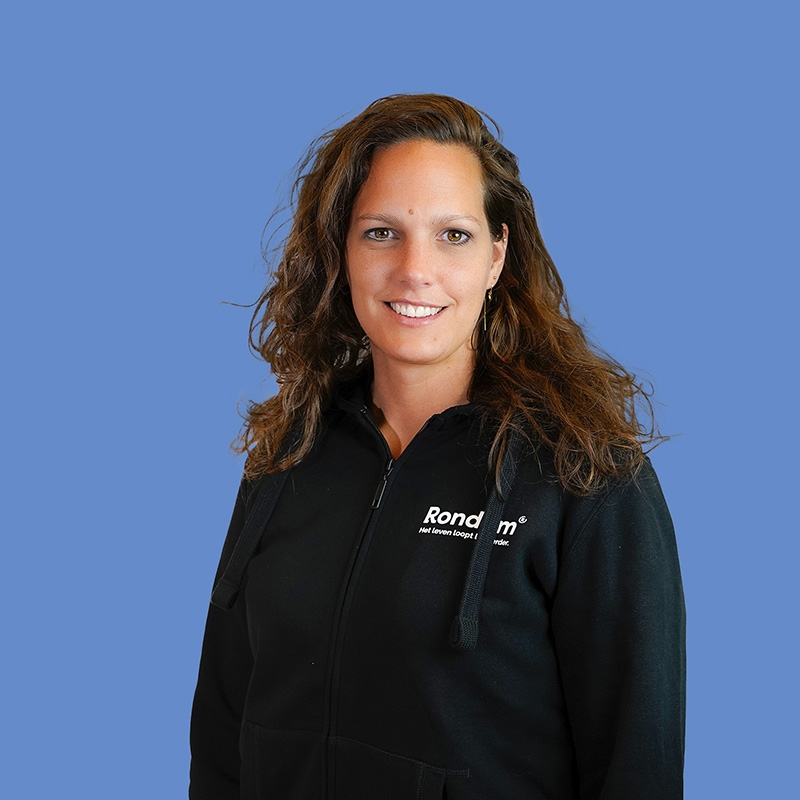
Birgit
Leefstijlcoach
-w2560.webp?v=mtj3d2mz)
Heleen

Maartje
Costs
Pedicures carried out by podiatrists contracted to Rondom Podotherapeuten: free of charge Other pedicures: €50 excl. VAT
Accreditation points
Procert: total 3 points Environmentally conscious practices: 1 point Specialist Foot Care: 2 points Kabiz: 3 points
For whom
Contracted and non-contracted chiropodists