Occupational therapy for workplace advice
We spend a large part of the day working. That is why it is important that your workplace is suited to the demands placed on your body and your daily activities. Usually, this happens naturally. But sometimes you may find that working causes discomfort, takes more energy or feels less comfortable than it used to.
You may experience pain in your neck, shoulders, back, arms or wrists whilst at work. Or you may find that you are more tired at the end of the day than you would expect. Changes to your work, a new workplace, working from home or a period of recovery can also mean that your workplace no longer suits your situation.
Occupational therapy helps to better adapt your workplace and working methods to your abilities, workload and daily life. In doing so, we look not only at your desk, chair or computer screen, but above all at how you work, move and organise your working day.

What do we offer?
Occupational therapy for workplace advice focuses on healthy, comfortable and sustainable working by optimally tailoring your workplace, working posture and working methods to your situation.
During an initial assessment, for example, we look at:
- how your workplace is currently organised;
- what your working day looks like and where the strain arises;
- your work attitude whilst carrying out various tasks;
- the alternation between sitting, standing, moving and recovering;
- options for adapting or reorganising your workplace or working methods.
Depending on your situation, our support may consist of workplace optimisation, ergonomic advice, coaching on posture and behaviour at work, advice on assistive devices or practical adjustments that fit in with your work and daily life.
Who is this offer intended for?
Occupational therapy for workplace advice may be appropriate if you:
- experiences symptoms in the neck, shoulders, back, arms or wrists during or after work;
- spends a lot of time working at a computer screen;
- works from home or regularly switches between different workplaces;
- find that your workplace is not well suited to your duties;
- you want to prevent complaints before they arise;
- are recovering from symptoms or an injury and your want to customise your workspace;
- is seeking a better balance between tax and capacity whilst working;
- want to explore how you can continue to carry out your work in a sustainable and comfortable way.
What can you expect?
An appointment with the occupational therapist begins with a discussion about your work, your working environment and what you need to be able to work comfortably and healthily. In doing so, we look not only at your workplace, but above all at how you work, move and experience your working day.
Depending on your situation, we analyse how your work is carried out and which factors influence your performance whilst working. This may involve looking at your working posture, movement, variety throughout the day, recovery periods, work organisation or the layout of your workplace. If necessary, we will assess your workplace either on-site or via video call, so that our advice is directly tailored to your day-to-day practice.
In any case, you can count on:
- practical advice tailored to your work;
- focus on posture, movement and physical capacity;
- advice on ergonomics and workplace optimisation;
- practical solutions that can be applied in practice;
- collaboration with other healthcare providers at Rondom where this adds value.
Would you like to find out more about registering, making appointments or the course of a treatment programme? Then take a look at the page What can you expect during your visit to us? Or read our frequently asked questions.
Collaboration with other healthcare providers
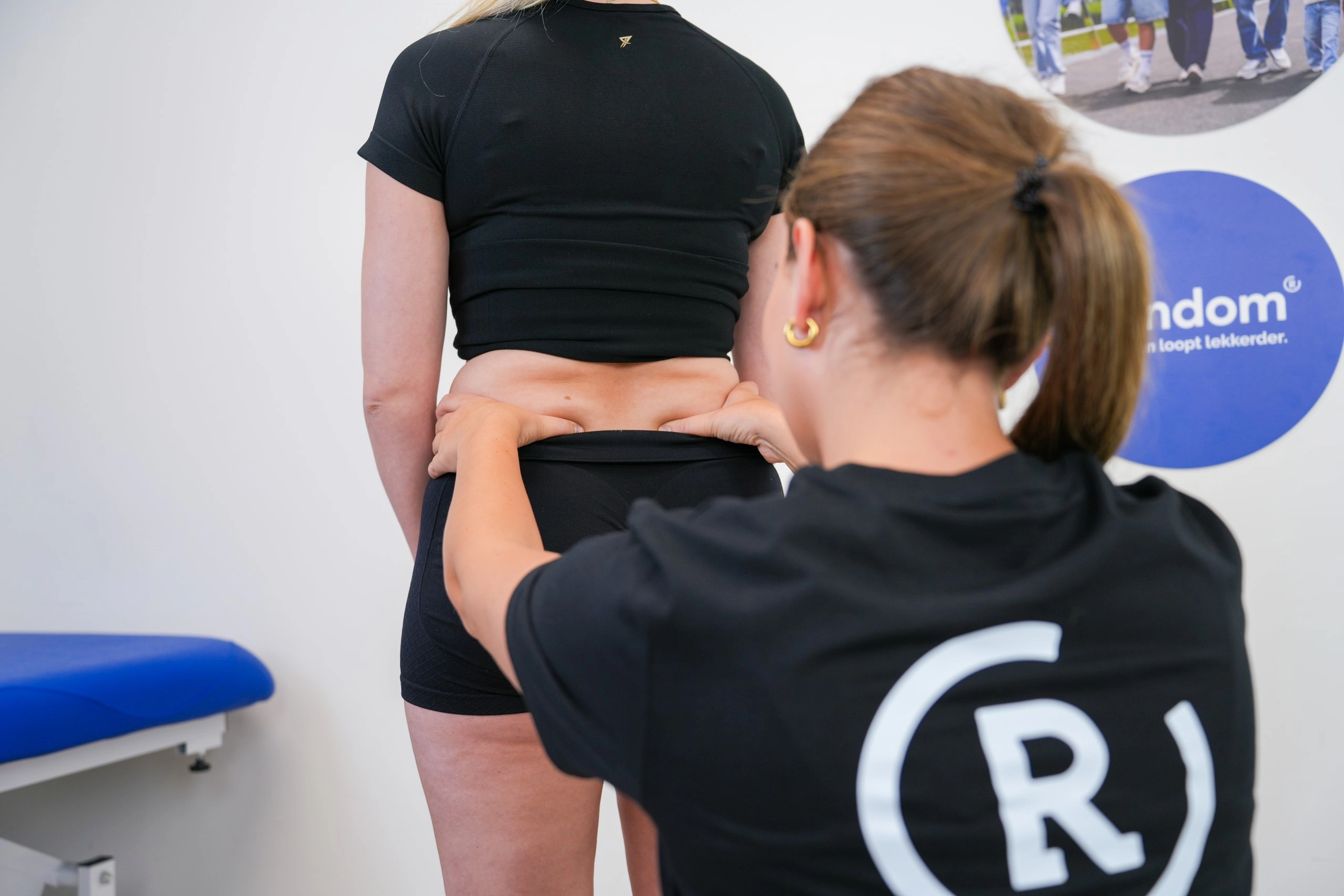
Staying healthy and working comfortably sometimes requires more than just a well-designed workplace. That is why our occupational therapists work alongside other healthcare professionals at Rondom where necessary.
Depending on your situation, this could, for example, be a physiotherapist, lifestyle coach, psychologist, podiatrist or another practitioner. Together, we’ll look at how physical strain, energy levels, recovery and daily activities influence one another, so that the support we provide is tailored to your work and your daily life.
Costs and reimbursement
Occupational therapy is often covered by basic health insurance. The level of cover you are entitled to depends on your circumstances and your health insurance policy. Always check your policy terms and conditions or contact your health insurer so that you know exactly what applies to you. View here our rates. Would you like to know more about reimbursements? Then click here.
Frequently Asked Questions
We have already compiled a number of answers to practical questions about our occupational therapy services for you. For example:
View all here frequently asked questions about occupational therapy.
Contact
Would you like to know whether occupational therapy is suitable for your situation, or do you have any questions about the services we offer? We’d be happy to discuss this with you. Together, we’ll look at what support best meets your needs.
- Please contact us via: Telephone: 088-1180541 (Monday to Friday, 08.00–17.00) Email: info@rondomergotherapeuten.nl
- Or book an appointment straight away via our appointment planner.
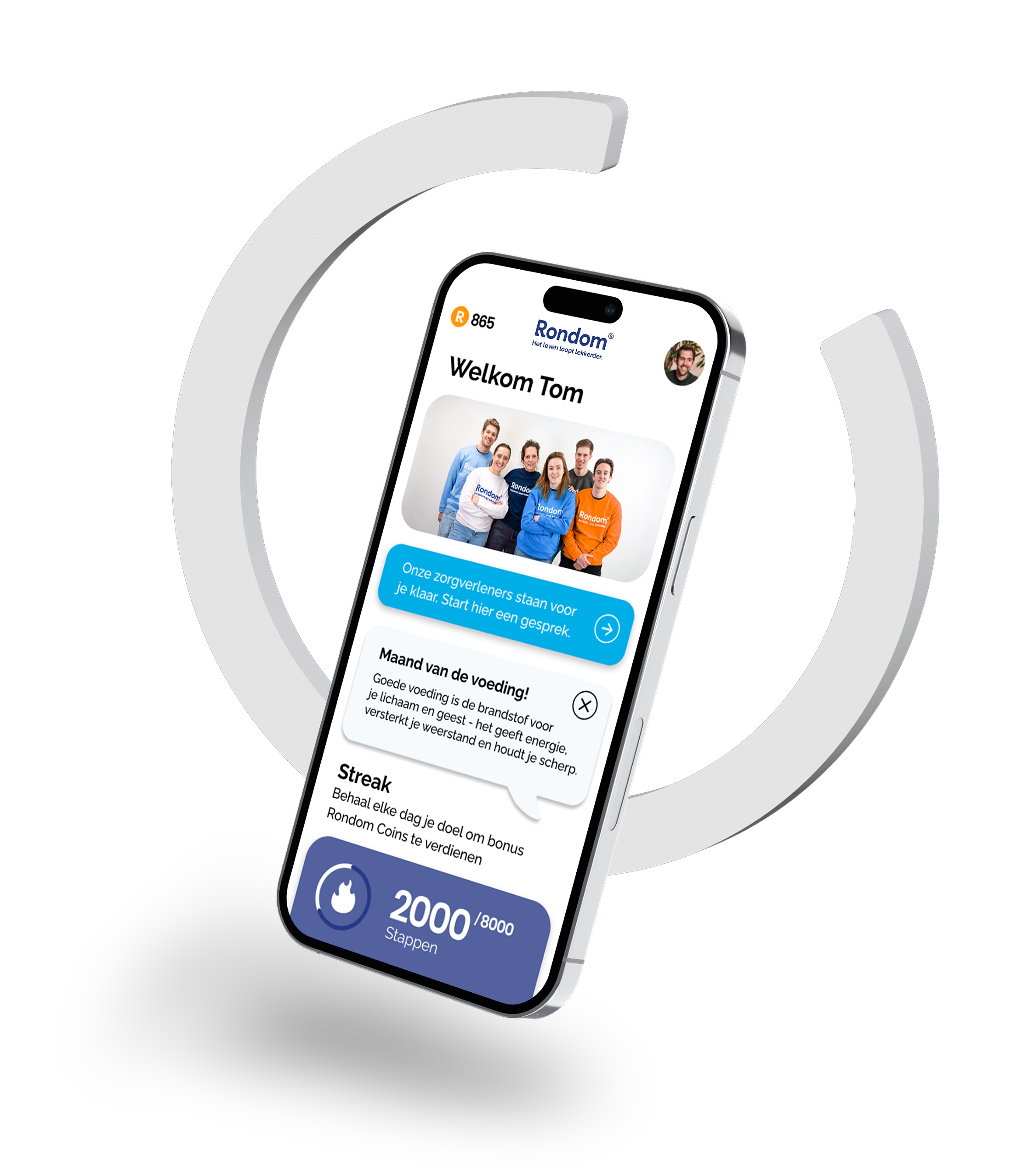
Work on your health with the Rondom app
- Direct contact with healthcare professionals via chat
- A community where you share experiences and motivate one another
- Personal challenges that match your goals
- Step counter for your daily exercise
- Earn points for healthy choices
- Articles, videos, recipes and assignments
- Register for (online) events