Occupational therapy for advice on assistive devices
Everyday activities often seem to go without saying, until they start to require more effort, energy or cause more pain than before. Usually, you manage to carry out tasks in and around the house independently. But sometimes you may find that certain activities become more difficult due to symptoms, tiredness, reduced strength or changes in your health.
You may find that difficulty getting dressed, climbing stairs, cooking, carrying out household chores or walking longer distances. Even after an illness, an operation, an accident or changes in mobility, it can be helpful to have extra support with daily activities.
Occupational therapy helps you to carry out everyday activities as independently, safely and comfortably as possible. In doing so, we look not only at your symptoms, but also at assistive devices and practical solutions that suit your abilities, living environment and daily life.
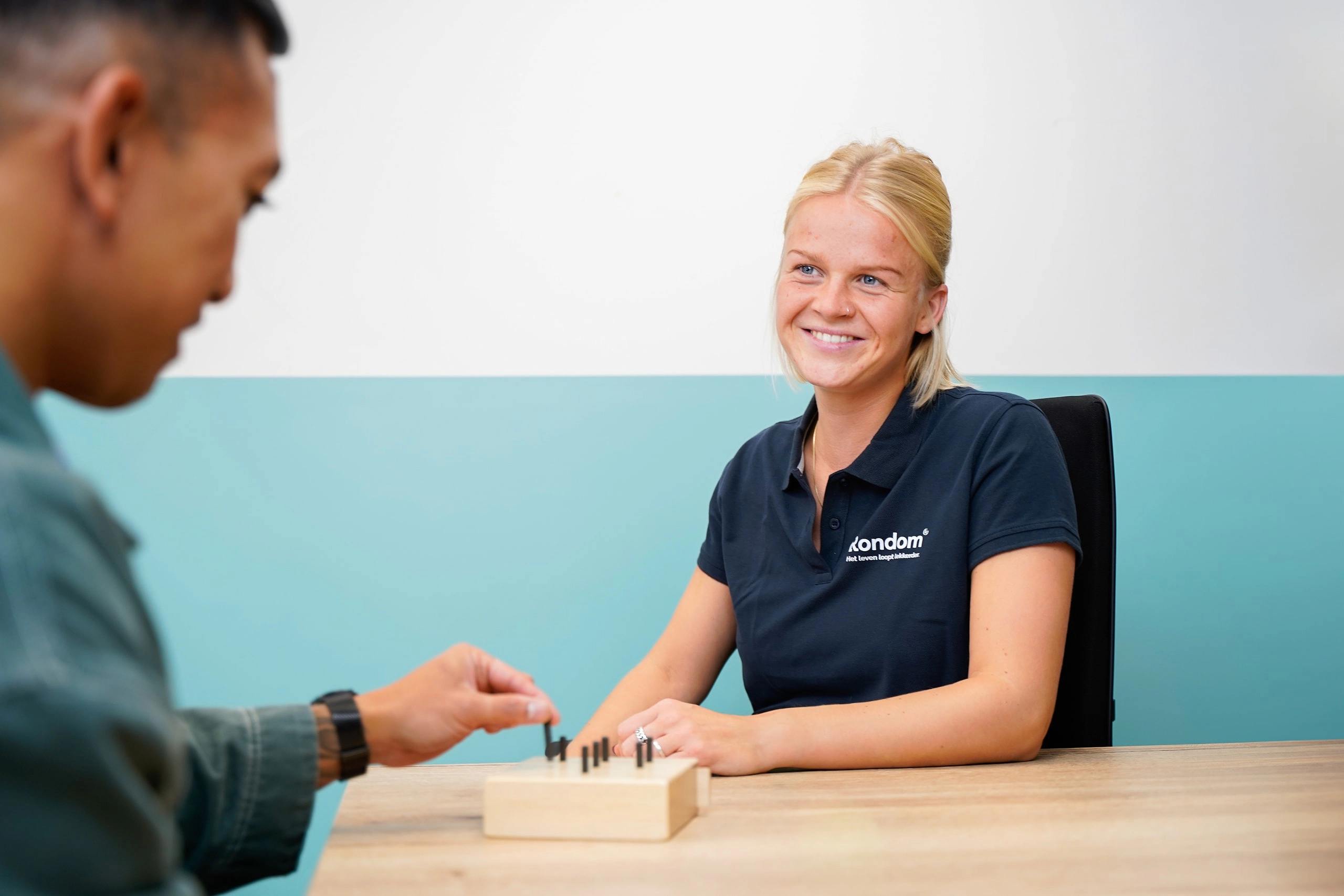
What do we offer?
Occupational therapy for assistive technology advice focuses on maintaining or increasing independence and on supporting daily activities when these become temporarily or permanently more difficult to perform.
During an initial consultation, for example, we look at:
- which daily activities are difficult to carry out or require a lot of energy;
- what limitations you experience at home, outside the home or when travelling;
- which aids or facilities may offer support;
- how your home and living environment is organised;
- which solutions best suit your needs and circumstances.
Depending on your situation, our support may include advice on assistive devices, trying out solutions, assistance with applications to your local authority or health insurance provider, guidance on how to use them, or practical adaptations tailored to your daily life.
Who is this offer intended for?
Occupational therapy for advice on assistive devices may be appropriate if you:
- notices that everyday activities require more effort or energy;
- has difficulty walking, moving about or climbing stairs;
- experiences difficulties with dressing, washing or carrying out household tasks;
- you are more often dependent on help from others than you would like;
- support in maintaining independence;
- want to find out which aids can make your daily life easier;
- has questions about services provided by the local authority or health insurance;
- to continue to live as safely and independently as possible in your own home.
What can you expect?
An appointment with the occupational therapist begins with a discussion about your daily activities, your living environment and what you need to be able to function as independently as possible. In doing so, we look not only at what is difficult for you, but above all at what is important for you to continue doing.
Depending on your situation, we’ll look at which activities present challenges and what factors influence them. This may involve looking at mobility, strength, energy, safety, the interior design of your home or the use of existing aids. Where aids can offer added value, we will work with you to identify the solution that best suits your situation.
In any case, you can count on:
- practical advice tailored to your daily activities;
- a focus on independence, safety and comfort;
- advice on suitable aids and facilities;
- practical solutions that can be applied in practice;
- collaboration with other healthcare providers at Rondom where this adds value.
Would you like to find out more about registering, appointments or the treatment process? Then take a look at the page What can you expect during your visit to us? Or read our frequently asked questions.
Collaboration with other healthcare providers
Living independently and safely in day-to-day life sometimes requires more than one form of support. That is why our occupational therapists work together with other care providers at Rondom where necessary.
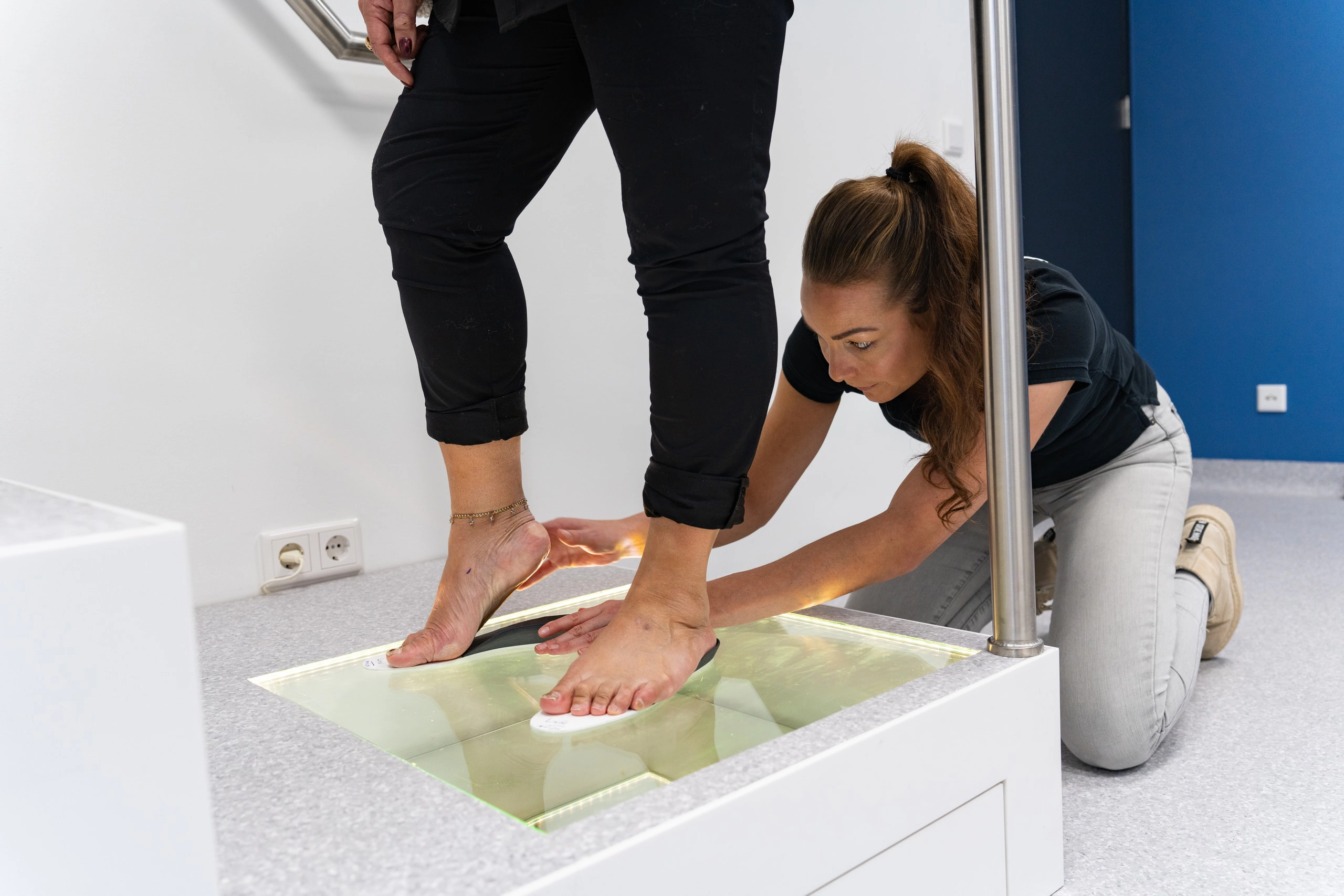
Depending on your situation, this could be, for example, a physiotherapist, lifestyle coach, psychologist, podiatrist or another practitioner. Together, we’ll look at how physical strain, energy levels, recovery and daily activities influence one another, so that the support we provide is tailored to your daily life and your personal circumstances.
Costs and reimbursement
Occupational therapy is often covered by basic health insurance. The level of cover you are entitled to depends on your circumstances and your health insurance policy. Always check your policy terms and conditions or contact your health insurer so that you know exactly what applies to you. View here our rates. Would you like to know more about reimbursements? Then click here.
Frequently Asked Questions
We have already compiled a number of answers to practical questions about our occupational therapy services for you. For example:
View all here frequently asked questions about occupational therapy.
Contact
Would you like to know whether occupational therapy is suitable for your situation, or do you have any questions about the services we offer? We’d be happy to discuss this with you. Together, we’ll look at what support best meets your needs.
- Please contact us via: Telephone: 088-1180541 (Monday to Friday, 08.00–17.00) Email: info@rondomergotherapeuten.nl
- Or book an appointment straight away via our appointment scheduler.
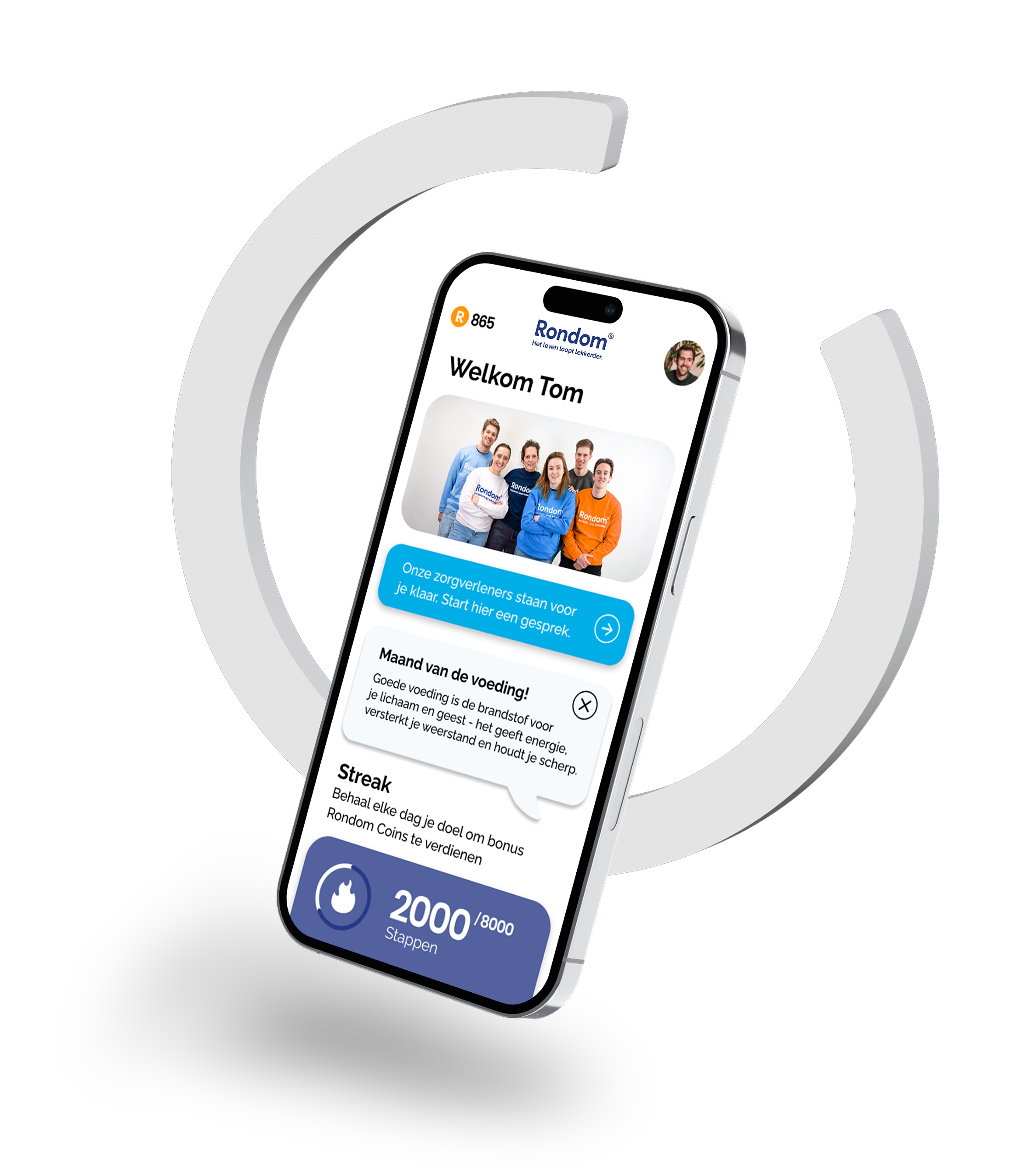
Work on your health with the Rondom app
- Direct contact with healthcare professionals via chat
- A community where you share experiences and motivate one another
- Personal challenges that match your goals
- Step counter for your daily exercise
- Earn points for healthy choices
- Articles, videos, recipes and assignments
- Register for (online) events